
Published September 17, 2026 in Alternatives & Competitors
VoLoMart vs quick commerce for neighbourhood shopping
By VoLoMart Team
7 min read
TL;DR
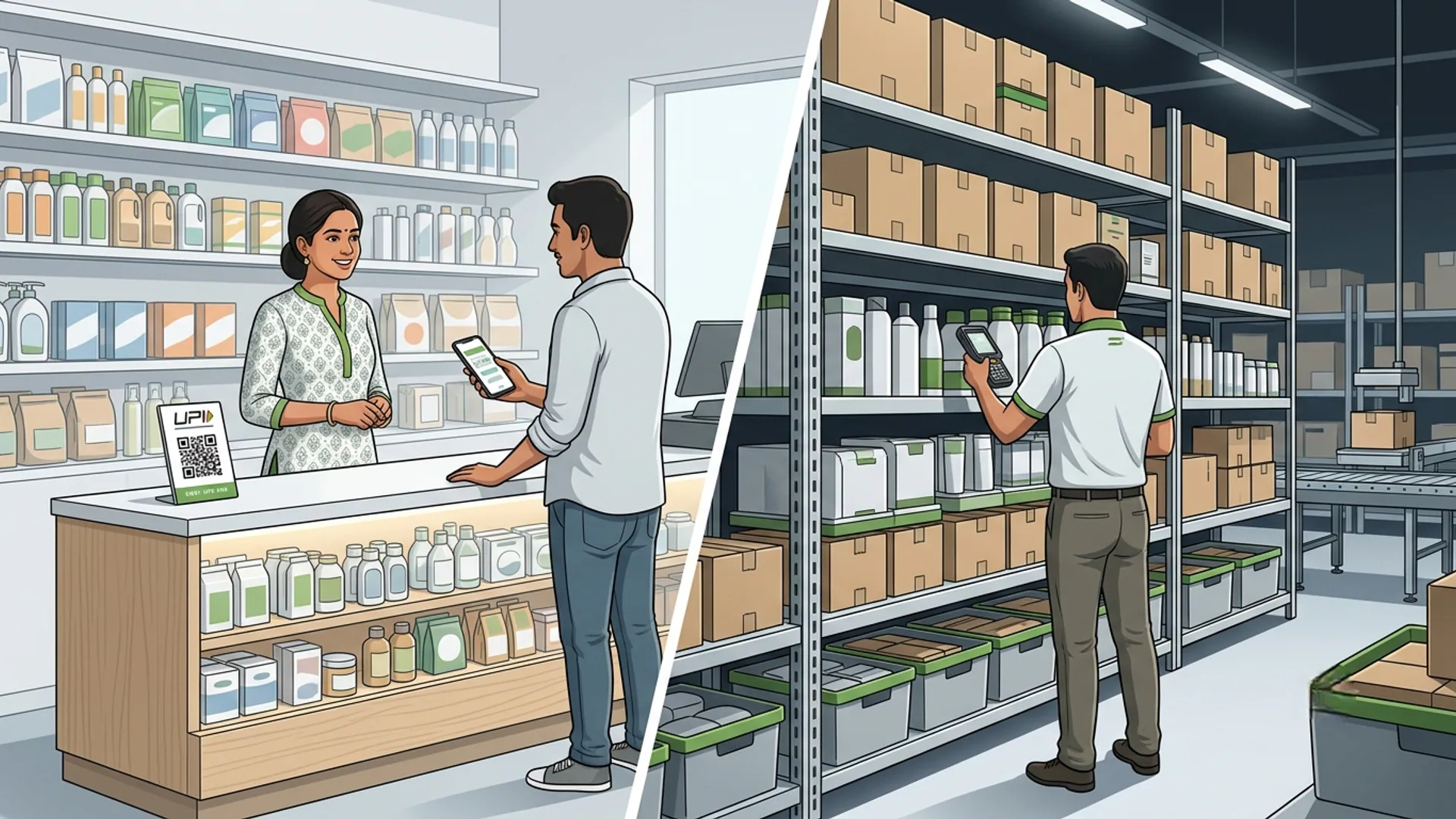
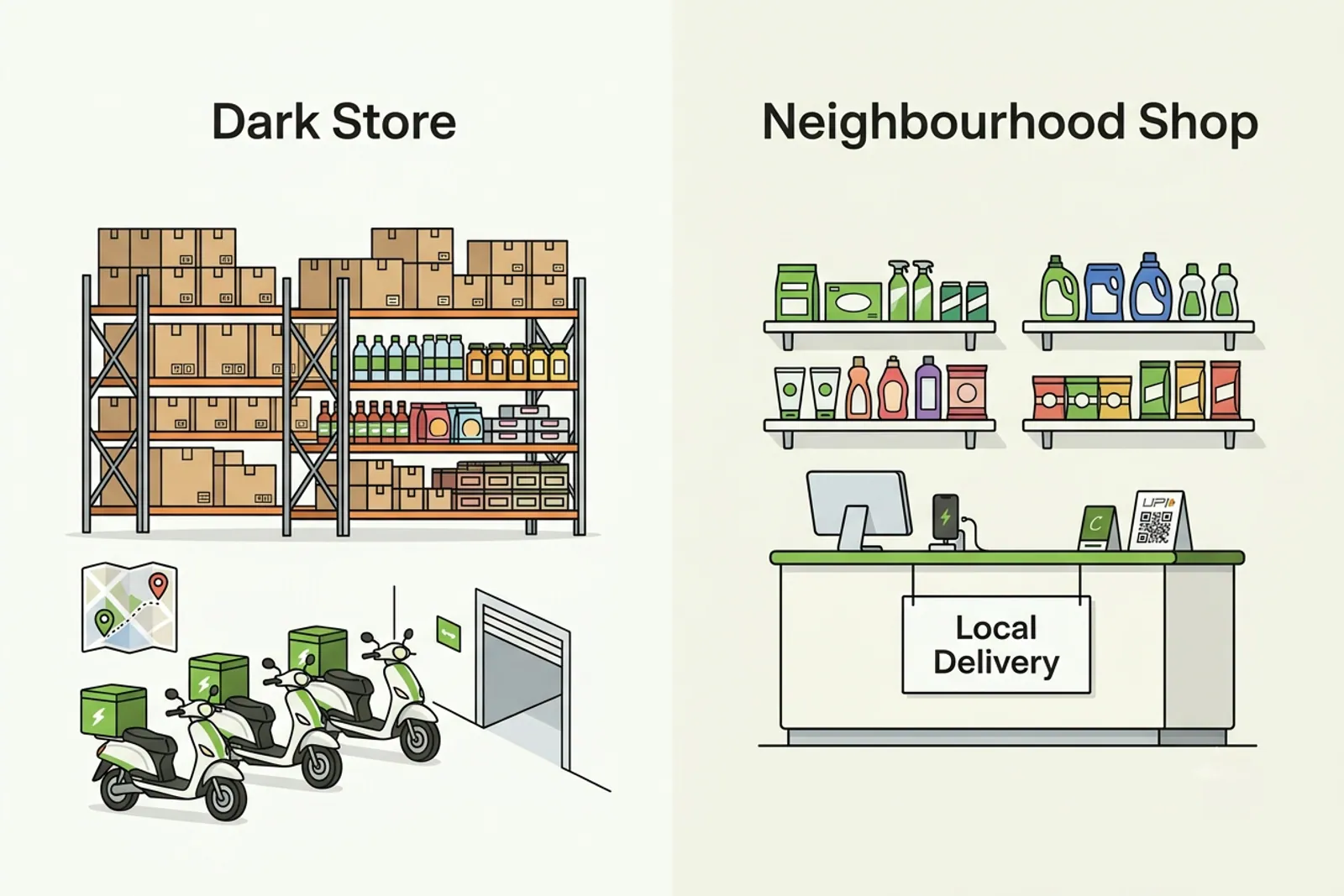
- Quick commerce relies on centralized dark stores and gig delivery riders.
- VoLoMart connects customers directly with independent neighbourhood vendors.
- Each order on VoLoMart is placed with one nearby shop that manages fulfilment.
- Vendors pay a subscription after the trial with no commission on order value.
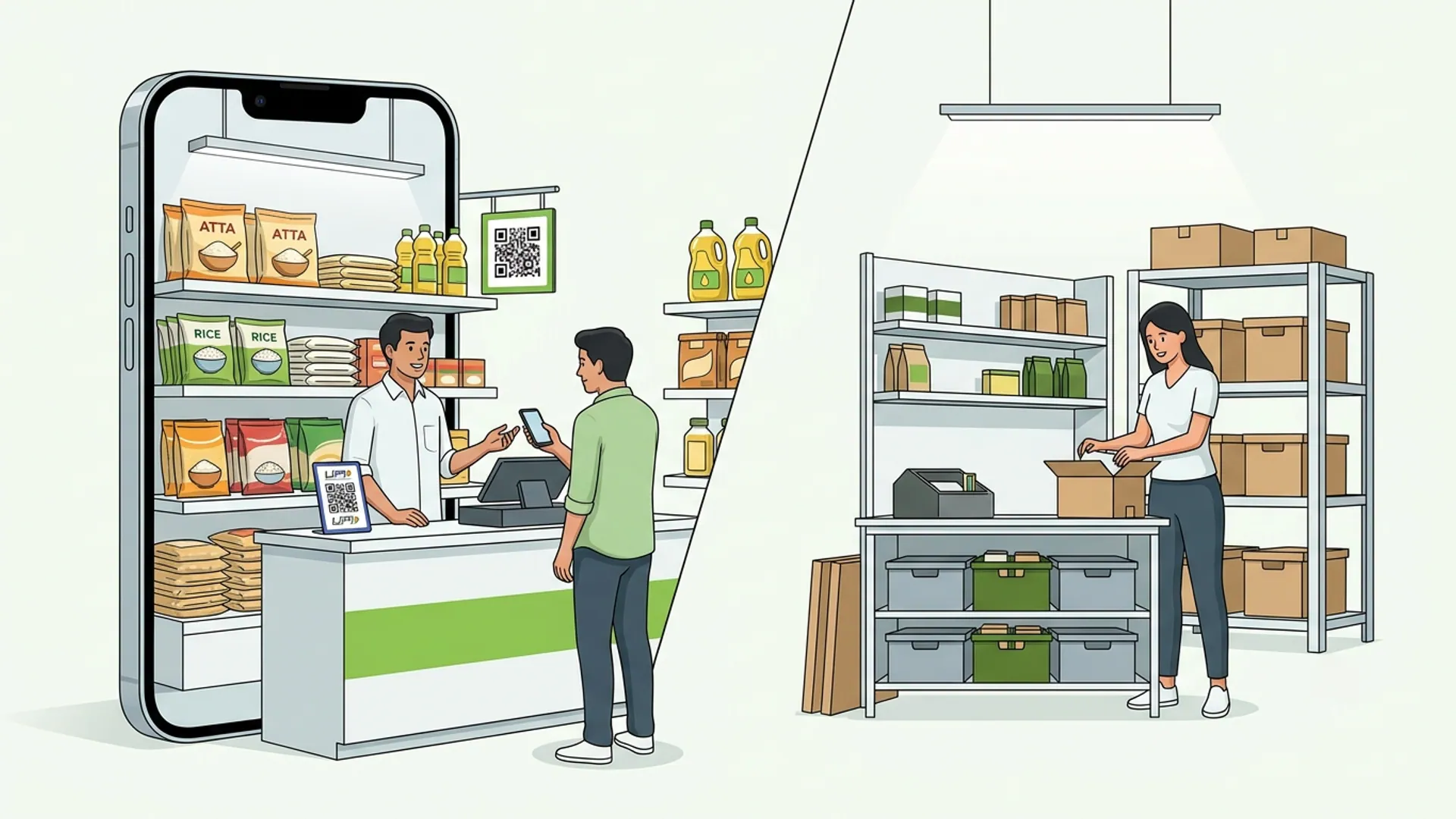
VoLoMart vs quick commerce is a choice between ordering from a nearby neighbourhood shop versus ordering from a platform dark store or retail warehouse. Quick commerce wins on minutes-level speed from its own network; VoLoMart wins when you want the local shop to remain the seller, keep the order value, and fulfil inside its own delivery radius.
How do quick commerce and hyperlocal marketplaces differ in India?
The rapid digitization of retail across India has introduced two distinct ways to buy essentials online. Shoppers and neighbourhood shopkeepers often weigh the choice between centralized quick commerce apps and community-focused platforms like VoLoMart. While quick commerce concentrates inventory in micro-warehouses to deliver within minutes, a hyperlocal marketplace empowers existing street-level shops to connect directly with nearby residents.
This guide is for neighbourhood shoppers who want to support local stores while enjoying digital convenience, as well as kirana, dairy, sweet, and specialty shop owners deciding how to reach digital customers without losing control of their margins.
What are the core operating models in modern Indian retail?
Modern Indian commerce spans several distinct operational structures, each serving a different segment of buyers and sellers. Understanding these models clarifies why different platforms handle inventory, delivery, and vendor relationships in unique ways.
- Dark-store platforms: Companies like Zepto, Blinkit, and Swiggy Instamart operate dense networks of inventory-packed micro-warehouses designed for minutes-level delivery in major cities.
- Store-backed retail networks: Retailers like JioMart leverage physical walk-in supermarkets alongside regional warehouses to offer hours-scale hyperlocal delivery across hundreds of cities.
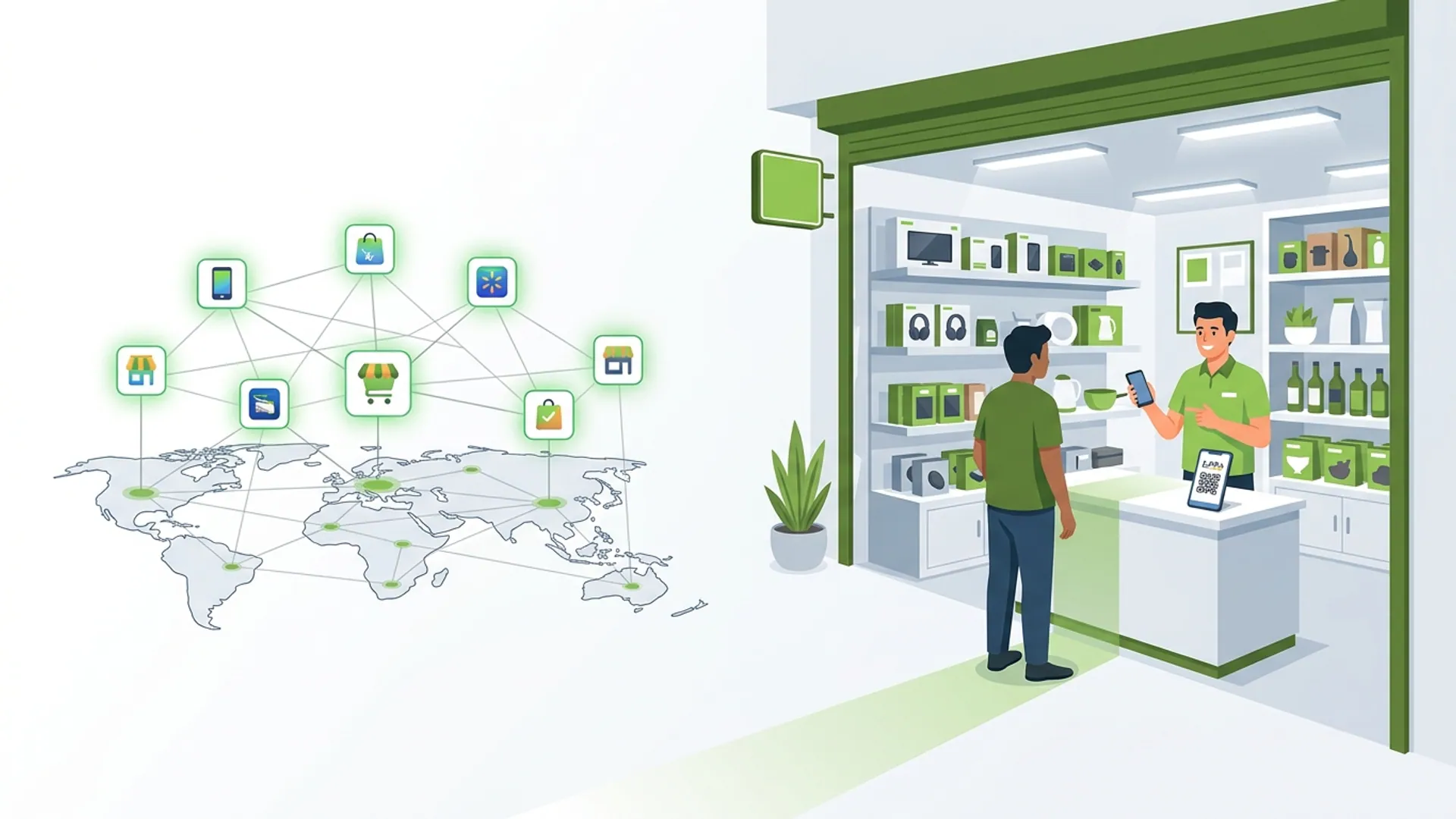
- Open digital networks: Backed by government initiatives tracked on the Invest India portal, ONDC connects disparate buyer apps, seller apps, and logistics providers on shared digital rails.
- Neighbourhood marketplaces: Platforms like VoLoMart connect customers with verified nearby shops in live app categories, ensuring each order goes to a specific local vendor who manages their own fulfilment.
| Platform / Group | Operating Model | Fulfilment Method | Best Fit For |
|---|---|---|---|
| VoLoMart | Hyperlocal marketplace | Vendor-managed local radius | Shoppers supporting local shops and vendors wanting direct customer discovery |
| Zepto / Blinkit / Instamart | Quick commerce dark stores | Centralised micro-warehouse gig fleet | Urgent ultra-fast grocery and essential needs in dense urban areas |
| JioMart | Store-backed retail network | Retail store and warehouse dispatch | Broad SKU selection across groceries, electronics, and fashion |
| ONDC / Mystore | Open digital commerce network | On-network logistics partners | Sellers seeking interoperable national network reach |
| Dukaan | Standalone store builder | Pan-India courier shipping | Direct-to-consumer brands building branded web stores |
| Justdial | Local search and directory | None (discovery and lead generation) | Finding business phone numbers and physical addresses |
What do shoppers experience when choosing between platforms?
Shoppers face different trade-offs depending on whether they order from a platform warehouse or a neighbourhood store. Quick commerce excels when speed is the absolute priority, relying on algorithmic inventory and dedicated riders to drop off packaged goods in minutes. However, this model often limits selection to standardized grocery items and fast-moving consumer goods.
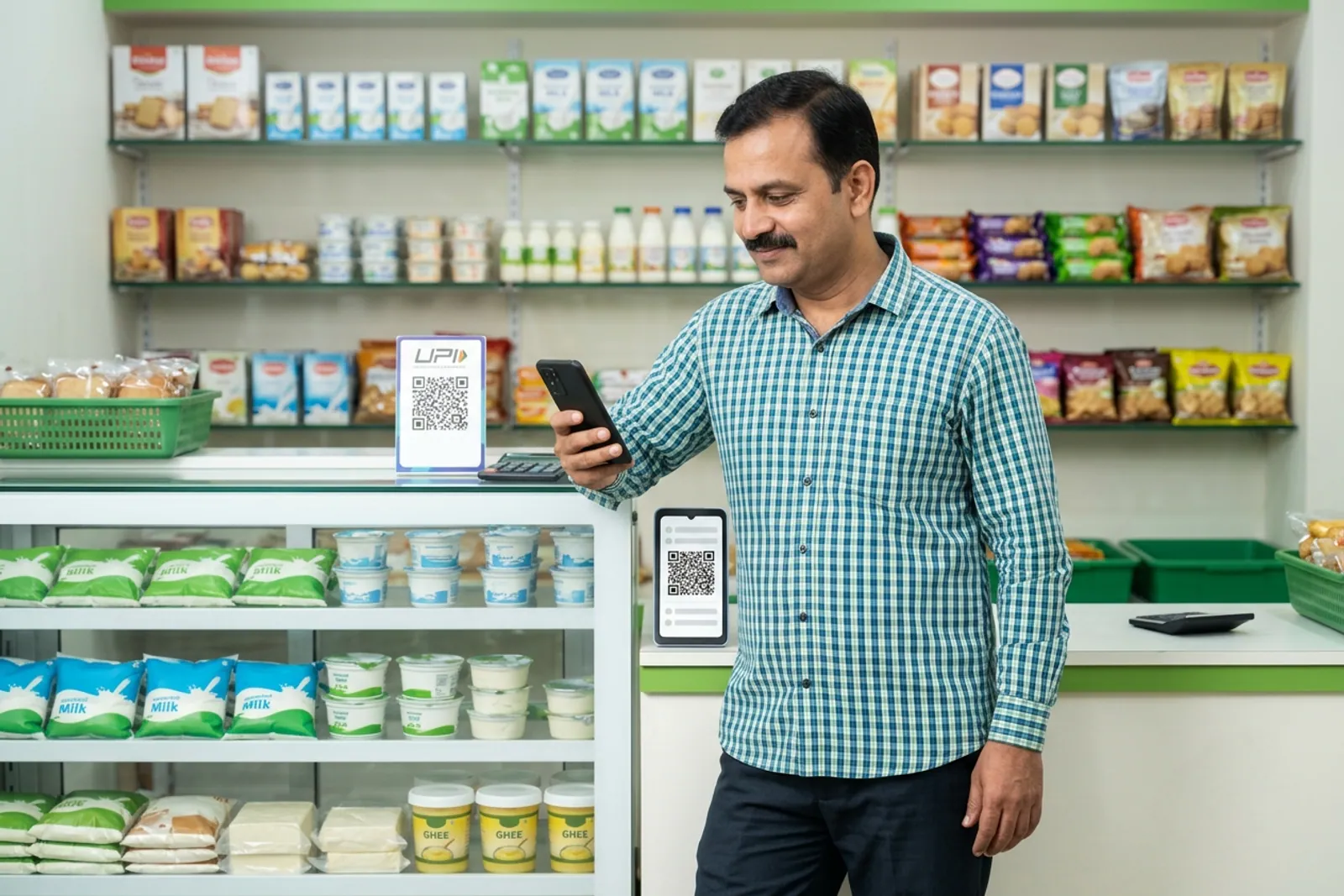
In contrast, shopping through a hyperlocal app opens up the diverse specialty categories found on every Indian high street. Customers can browse local vegetable vendors, fresh flower shops, neighbourhood sweet stalls, and stationery stores that quick-commerce algorithms rarely stock. On VoLoMart, each order is placed with one nearby shop, maintaining a direct connection between the buyer and the trusted community merchant they already know.
“Customers want the speed of digital ordering, but they also value the personal touch and fresh variety that only their trusted neighbourhood vendors provide.”
How do vendor economics differ for local shopkeepers?
Shopkeepers evaluating digital channels must look closely at how platform economics impact their daily earnings. Traditional aggregator apps often charge significant commissions on every single transaction, squeezing the thin margins on daily groceries and dairy items.
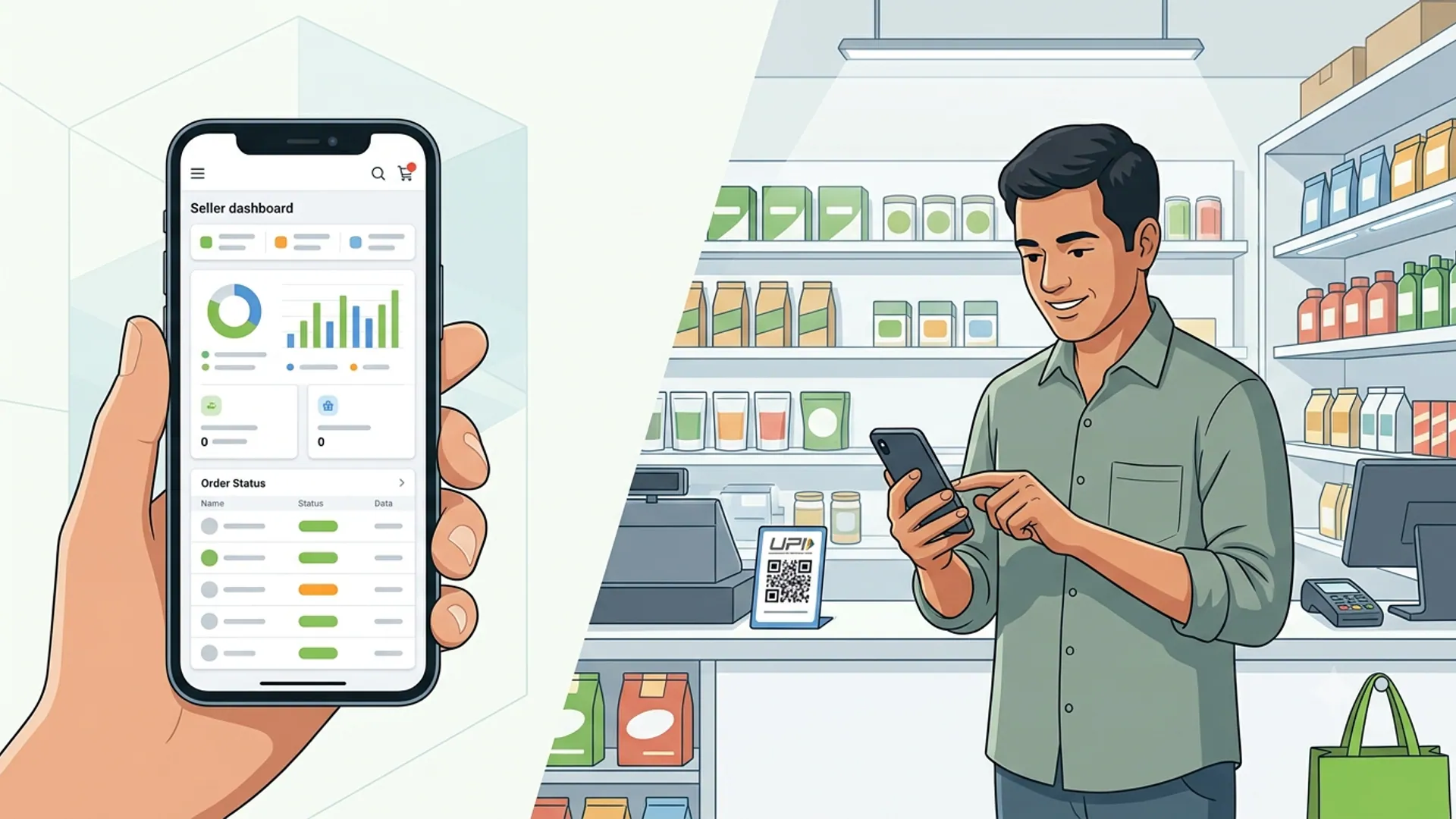
VoLoMart takes a different approach designed for sustainable local commerce. Vendors register through the mobile app, complete a trial period, and then operate under a monthly or yearly subscription model. Because VoLoMart does not charge a commission on order value, the shop keeps the order proceeds. You can review the details on our pricing page before getting started.
What are the practical operating limits of neighbourhood marketplaces?
Every commerce model operates within specific boundaries that shape the user experience. Understanding these practical limits helps both shoppers and vendors set realistic expectations when moving daily trade online.
- Address-based availability: Service coverage and product availability depend entirely on which shops are active in your specific neighbourhood and delivery radius.
- Shop-controlled hours: Store operating hours, delivery charges, and stock levels are managed directly by each individual shopkeeper rather than a centralized warehouse.
- Single-shop orders: Each order is placed with one nearby shop at a time, keeping fulfilment streamlined and transparent for both parties.
- Fulfilment setup: Delivery is managed by the vendor using their own delivery team or chosen local setup, ensuring personal accountability for every drop.
How can you start exploring neighbourhood commerce today?
Choosing the right digital channel depends on what you value most as a shopper or a business owner. If you are a customer looking to support local high-street vendors with transparent pricing and home delivery, you can explore nearby stores directly in the app. If you are a shopkeeper wanting to take your store online without losing your hard-earned margins, you can learn more about how our platform works and check our features before registering.
Frequently asked questions
Is VoLoMart a quick commerce alternative?
Yes, VoLoMart offers an alternative to quick commerce by connecting shoppers directly to trusted neighbourhood vendors instead of routing orders through centralized platform dark stores.
Who delivers orders on VoLoMart compared to quick commerce?
On VoLoMart, fulfilment is managed directly by the vendor using their own team or chosen setup within a local radius. Quick commerce apps use their own dedicated gig delivery fleet operating out of dark stores.
Does VoLoMart charge a commission on order value?
No, VoLoMart does not charge a commission on order value. Shops register free, complete a trial, and then keep the order value under a straightforward monthly or yearly subscription model.
How does ONDC differ from a hyperlocal marketplace?
As outlined by the Department for Promotion of Industry and Internal Trade, ONDC is an open digital commerce network rather than a single shopping app, whereas VoLoMart is a dedicated hyperlocal marketplace for neighbourhood vendors and customers.
Can a neighbourhood shop use both store builders and VoLoMart?
Standalone store builders create independent website links for social media sharing, whereas VoLoMart provides active nearby customer discovery within structured neighbourhood shopping categories in the app.
How is Justdial different from placing an order on VoLoMart?
Justdial functions primarily as a local search and directory platform for business leads and contact numbers, whereas VoLoMart enables structured end-to-end catalogue browsing, cart checkout, and order management with nearby shops.
List your neighbourhood shop on VoLoMart
Registration is only in the VoLoMart mobile app. Start with a 7-day trial, then choose a monthly or yearly plan.
Get the app to registerRelated articles
7 min read