Published October 23, 2026 in How To
How to identify fast-moving and slow-moving grocery products

By Khevna Dodia
6 min read
TL;DR
- Track daily stock gaps on everyday grocery shelves instead of guessing from memory.
- Identify high-demand lines like atta, cooking oil, rice, and salt by monitoring fast stock turnover.
- Recognise slow items such as out-of-season festival packs or low-margin impulse brands that sit for multiple purchasing cycles.
- Use your digital storefront on VoLoMart to keep popular lines visible to nearby customers without tying up cash in dead stock.
To identify fast-moving and slow-moving grocery products, watch which everyday packs disappear from your shelves between regular buying trips and which items remain untouched for weeks. Compare your physical shelf gaps against your supplier bill book to spot trends before you place your next stock order.
Why do shopkeepers struggle to track inventory accurately?
Many neighbourhood store owners reorder supplies purely by habit, buying the same quantities week after week without checking actual shelf consumption. This routine often leaves capital trapped in items that customers rarely pick up while high-demand essentials run out before the supplier arrives. Understanding how to spot fast-moving and slow-moving grocery products helps you balance your inventory, keep cash flow healthy, and serve your neighbourhood better. This guide is for kirana owners who want to modernise their stock management without complicated software.
How do you identify fast-moving grocery lines?
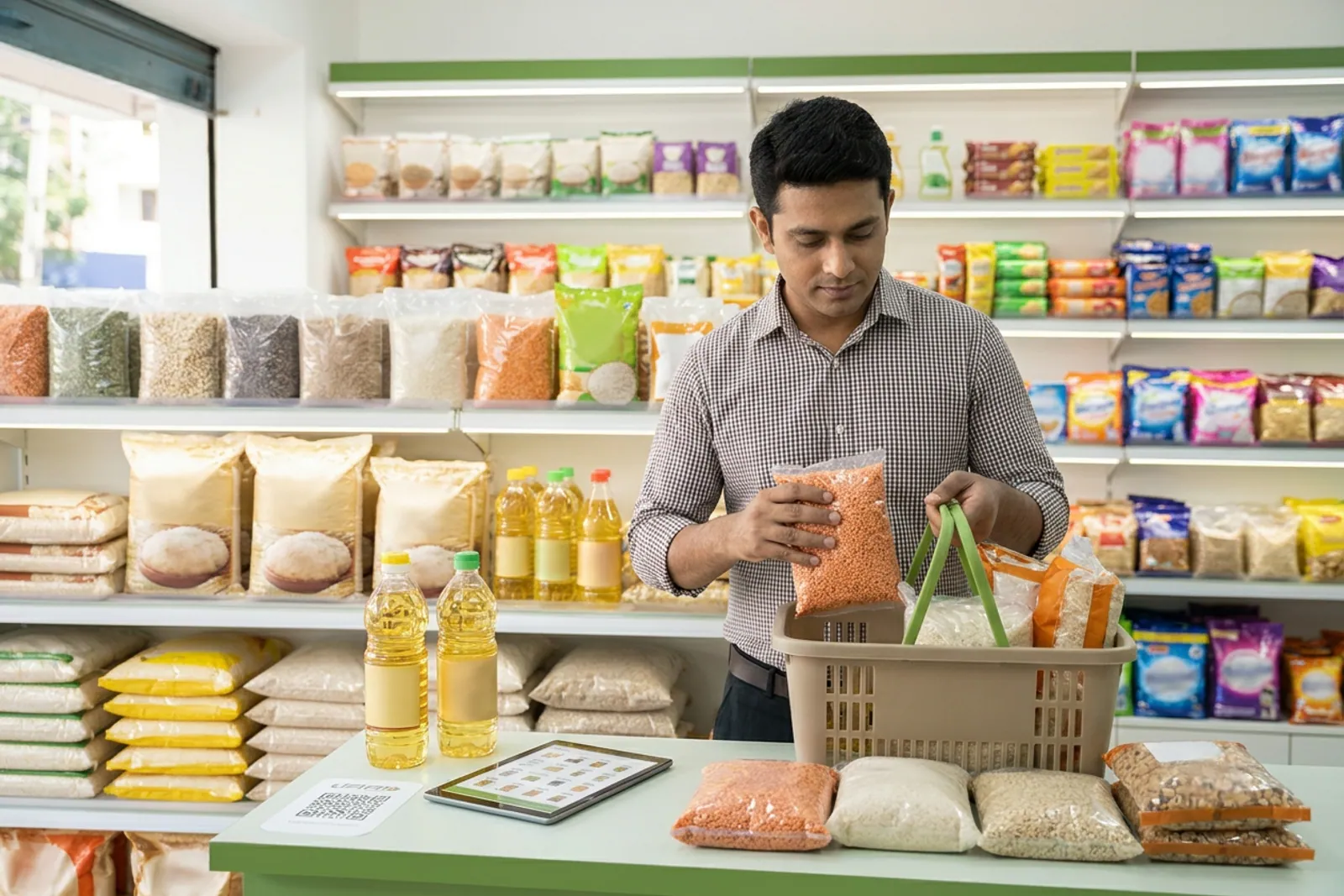
Fast-moving items are the everyday essentials that your neighbourhood asks for repeatedly throughout the week. When these lines leave your shelves well before your next supplier visit, you know they drive your daily revenue.
- Staples and grains: Items like daily atta, rice, and pulses that families consume continuously.
- Cooking mediums: Refined oil, mustard oil, and ghee bottles that empty out quickly.
- Basic seasonings: Salt, sugar, and daily tea leaves that require constant shelf replenishment.
- Breakfast items: Milk packets, bread, and eggs that turn over within hours of delivery.
To support these everyday purchases, many retailers look at how digital platforms structure their digital inventory. You can explore how structured catalogues work by visiting the Grocery Spot section on VoLoMart.
What are the signs of slow-moving grocery inventory?
Slow-moving stock takes up valuable shelf space and ties up money that could be used for fresh inventory. Recognising these items early prevents expired stock and cluttered displays.
- Dust accumulation: Packs sitting on the top or bottom shelf that require wiping during weekly cleaning.
- Seasonal mismatch: Festival gift boxes or specialty spices lingering long after the celebration ended.
- Low-turnover brands: Alternative brands bought only because the wholesale rate looked attractive on paper.
- Expired shelf life: Items approaching their expiry date because local buyers prefer more popular labels.
How can you build a simple weekly stock review habit?
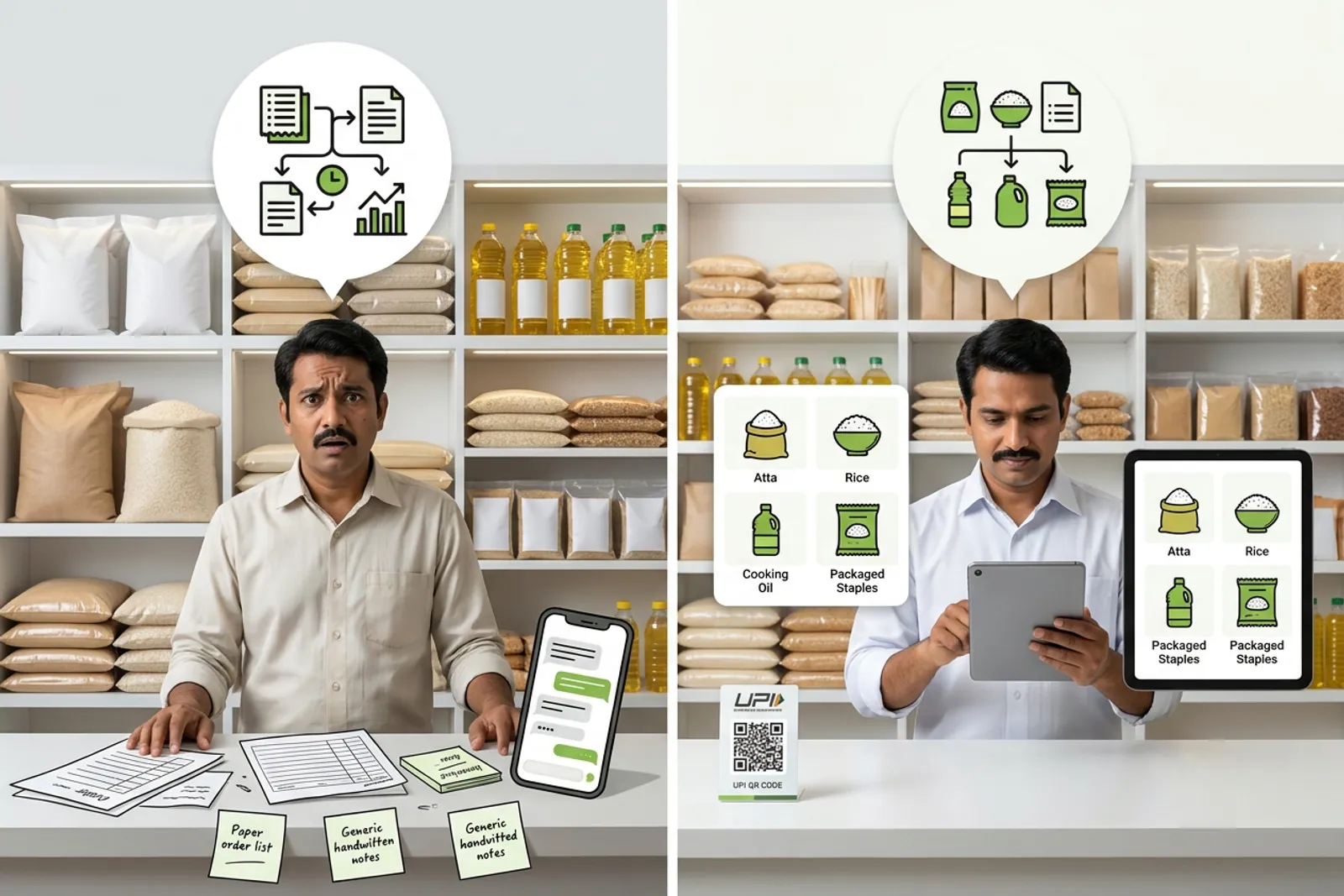
You do not need complex algorithms or expensive software to keep your inventory healthy. A simple visual check combined with your bill book is enough to understand local buying patterns.
| Observation on Shelf | What to Call It | Next Buying Action |
|---|---|---|
| Empty space before supplier arrives | Fast-moving line | Increase order quantity slightly or reorder early |
| Same number of packs after three trips | Slow-moving line | Buy in smaller quantities or stop purchasing |
| Packs nearing expiration date | Dead stock risk | Create a bundled offer or clear display |
What practical limits should store owners keep in mind?
Managing stock successfully requires balancing consumer demand with realistic storage capacity. A fast-moving line can suddenly slow down when new residential buildings open nearby or when lane preferences shift. Conversely, a slow-moving item might be the exact product that a loyal regular household relies on every month. As small business standards evolve across the country, official resources like the Ministry of MSME offer helpful guidance on operational resilience for local enterprises.
Remember that no app will magically categorise your physical shelves for you. Your local expertise and daily observation remain your best tools. When you are ready to take your neighbourhood store online and let nearby customers browse your available products, you can check out For Vendors and explore the Pricing details to see how simple monthly subscriptions work without any order commissions.
How to grow your neighbourhood store with better visibility
Taking control of your inventory allows you to showcase your best products online while keeping your physical store efficient. When nearby customers can view your actual stock and place orders for pickup or vendor-managed delivery, your store becomes the go-to destination in your lane.
To learn more about expanding your local reach and connecting with nearby shoppers, explore the Blog Hub and see how other neighbourhood businesses manage their digital journey.
Also read How to calculate profit margin on grocery products in India.
Frequently asked questions
How many buying trips should I watch before removing a slow grocery item?
Observe stock movement across at least three to four regular supplier buying trips before deciding to stop a slow line. A single quiet week does not mean a product has lost all local demand.
Is a high leftover quantity on the shelf the same as a fast-moving line?
No, a high leftover quantity indicates a slow-moving item that ties up your working capital. Fast-moving lines require frequent restocks because local households buy them repeatedly.
Should I delete every slow-moving item from my catalogue immediately?
Not necessarily, because some slow items serve regular households who expect to find everything under one roof. Instead of deleting them completely, order smaller quantities during your next restock.
Can one slow business day decide whether a grocery item is failing?
Never judge product performance from a single quiet day, as local foot traffic fluctuates due to weather, holidays, or payday cycles. Always review movement over a full month.
Does the digital app automatically classify which grocery item moves faster?
The app helps you manage your online catalogue and customer orders, but you decide what to stock by watching your physical store shelf and bill book.
List your neighbourhood shop on VoLoMart
Sign up with the VoLoMart app. Start with a 7-day trial, then choose a monthly or yearly plan.
Get the app to registerRelated articles
6 min read