Published October 23, 2026 in How To
How to build a grocery store budget before expanding

By Khevna Dodia
7 min read
TL;DR
- Map every expected cost group on paper before signing new lease agreements.
- Account for increased stock holding costs and potential inventory expiration risks.
- Evaluate digital tools like the [VoLoMart app](/for-vendors/) to grow sales without physical expansion.
To build a grocery store budget, list every cost group in words before you commit: the place, the work on the space, the opening stock, and cash you can spend while sales catch up.
Why do you need a structured grocery store budget?
Planning a complete grocery store budget helps independent shopkeepers protect their daily working capital before taking on long-term financial commitments. This is for kirana owners who want to scale their operations safely without running into sudden cash flow crunches.
Formal business guidelines provided by the Ministry of Micro, Small and Medium Enterprises emphasise that rigorous financial tracking is the foundation of retail resilience. Writing down every anticipated expense ensures you stay in control of your neighbourhood business.
What cost groups matter most before you commit?
Every solid financial plan requires clear categorization of expenses. Breaking down your outlays into distinct headings keeps unexpected surprises from derailing your daily operations.
- Extra rent or security deposits required for taking on adjacent retail space.
- Shelving, lighting, and shutter work needed to make the new area functional.
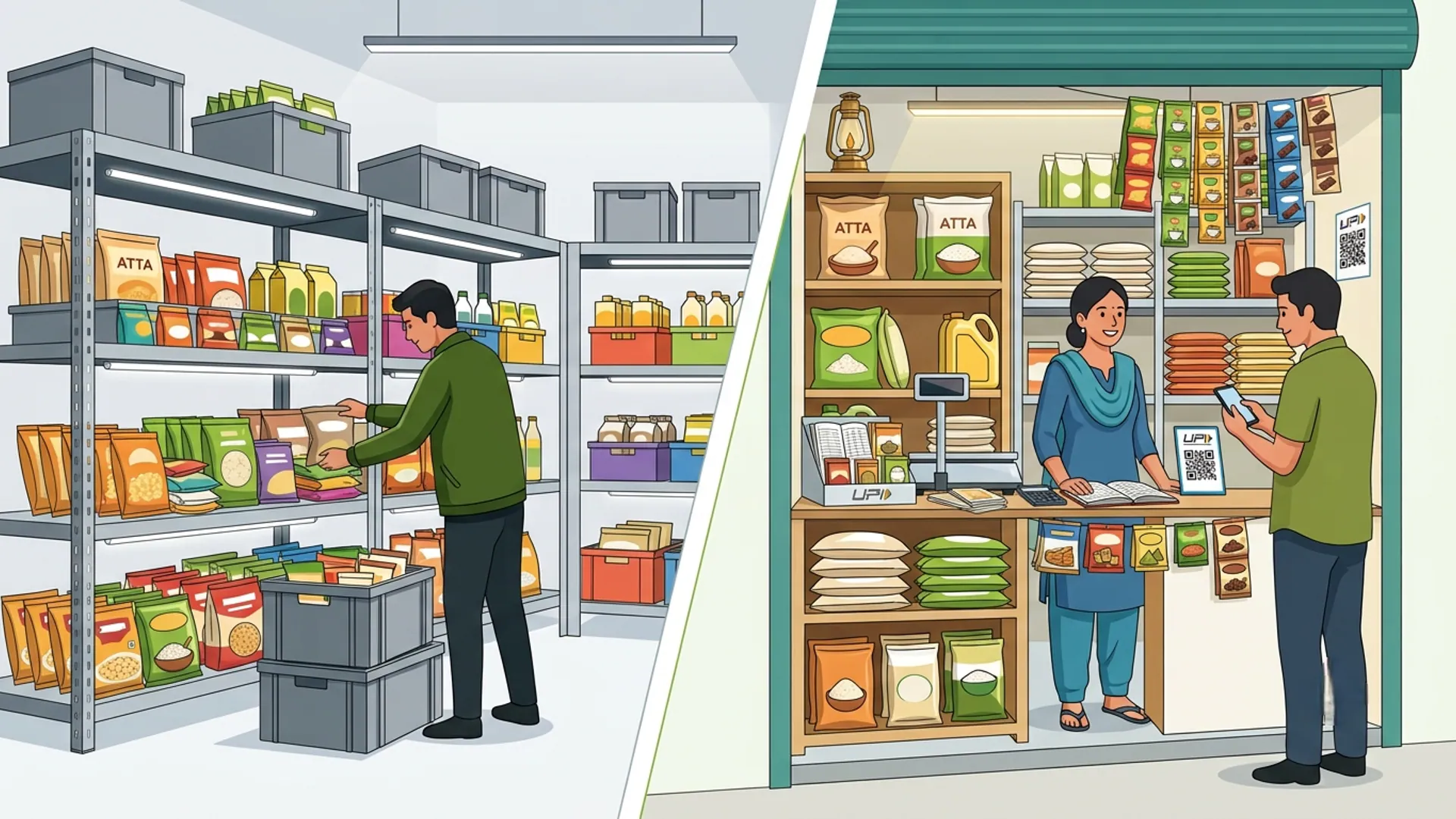
- The first fill of stock required to make shelves look full and welcoming.
- A financial buffer to cover fixed expenses during initial quiet weeks.
- Inventory waste allowances for items that take longer to sell in a larger area.
What challenges does a larger grocery shop introduce?
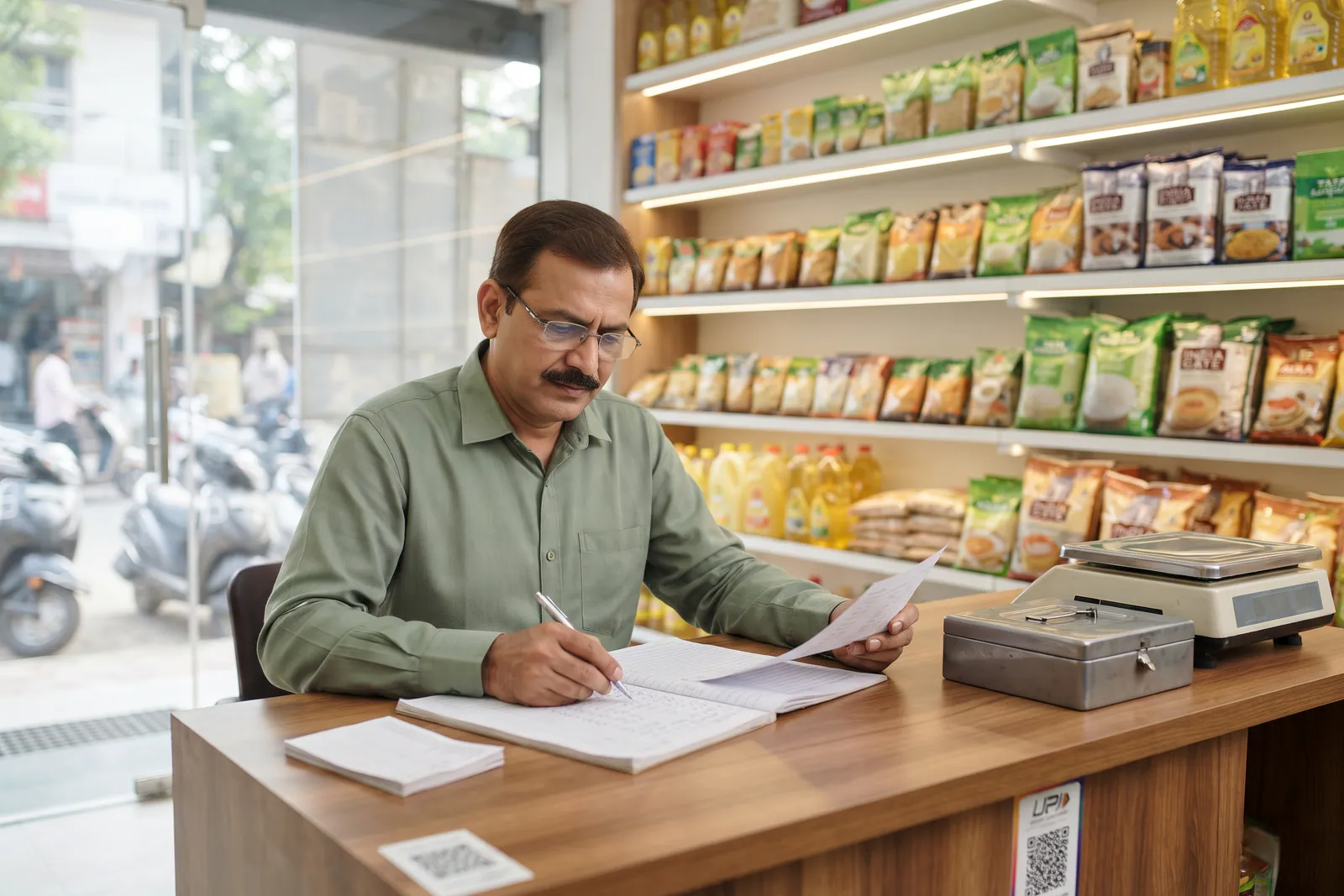
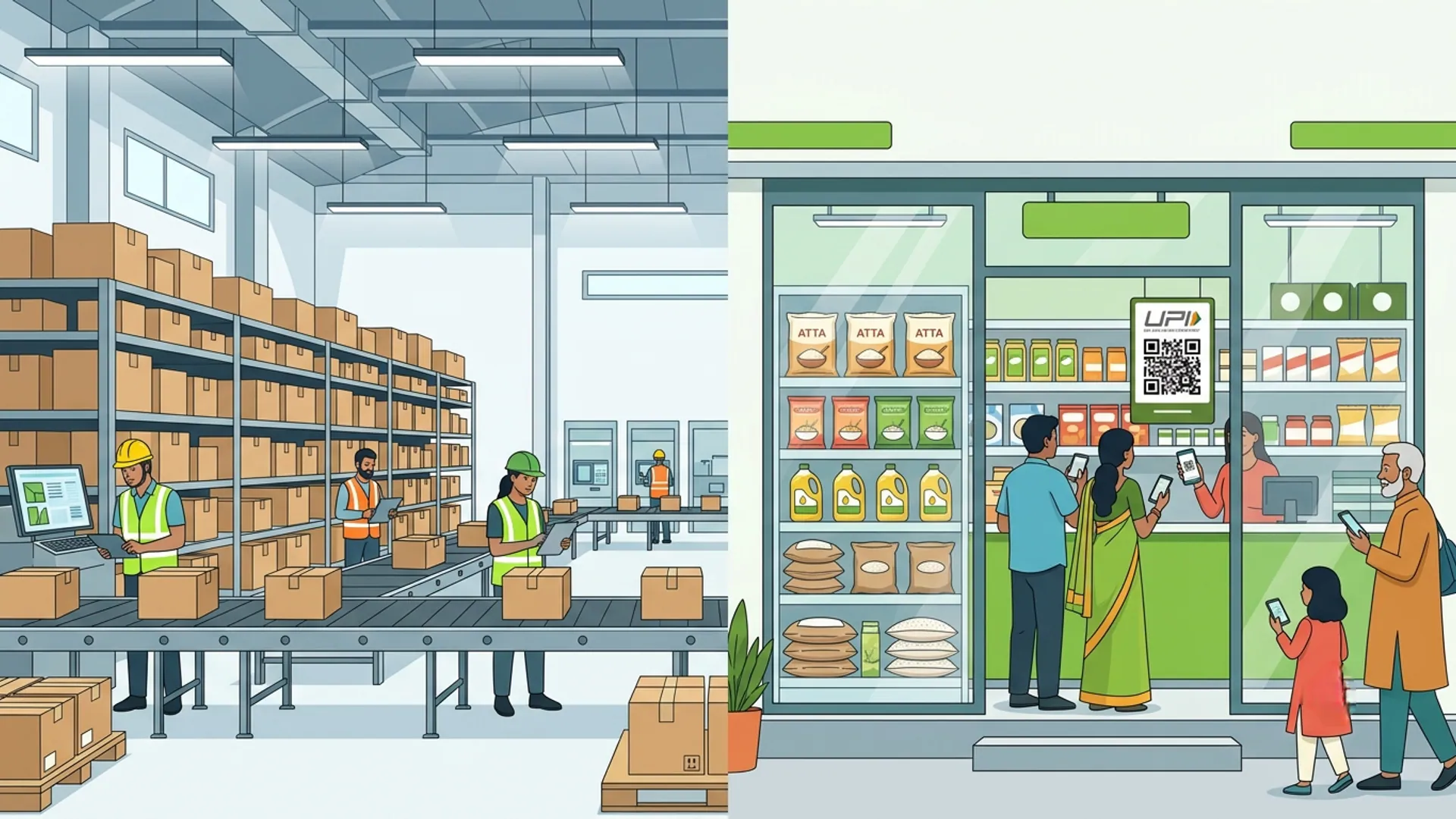
Expanding your physical footprint does not automatically guarantee higher daily profits. More shelf space means more stock to monitor for manufacturing dates, increased risk of unsold items, and higher labour requirements at the billing counter.
Adding a second billing point requires a trusted person who can monitor customer baskets and manage payments accurately. Before expanding, check whether your current floor staff can handle the extra movement without compromising customer service.
How can you grow your sales without expanding your floor space?
Many neighbourhood retailers discover that digital discovery brings in new buyers faster than physical renovation. You can list your Grocery Spot catalogue online, allowing nearby residents to discover your shop and place orders for pickup or vendor-managed delivery.
When you use the VoLoMart app to connect with your neighbourhood, you manage orders directly from your phone. You can review how it works to understand the simple setup process.
What is the best way to compare physical expansion versus digital growth?
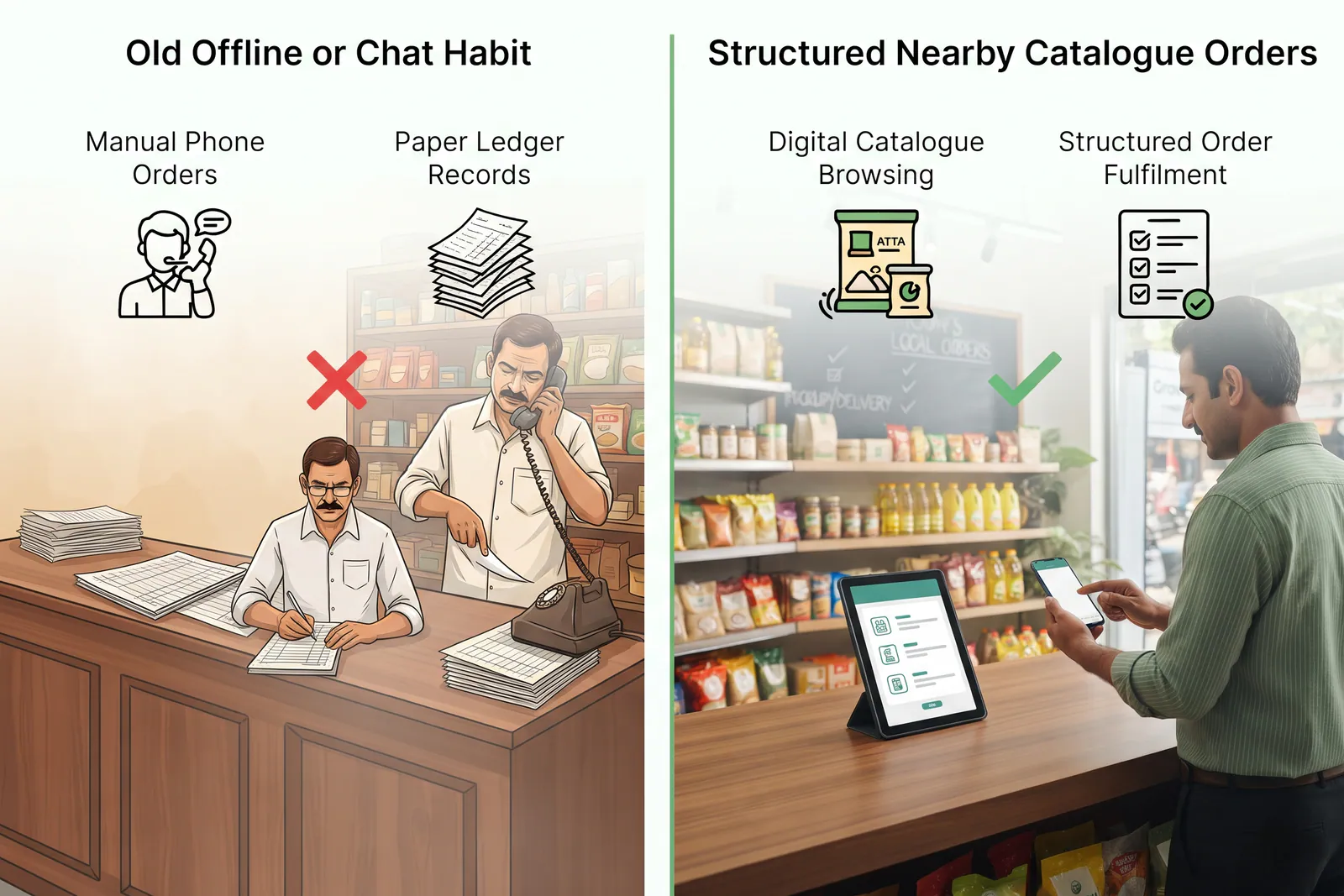
To decide whether to invest in physical space or digital tools, weigh the core operational differences that affect your daily routine.
| Growth Factor | Physical Expansion | Digital Storefront |
|---|---|---|
| Initial Commitment | High rent deposits and renovation costs | Free registration with a trial period |
| Operational Focus | Managing larger floor area and staff | Fulfilling structured orders from one counter |
| Customer Reach | Limited by immediate foot traffic on lane | Discovered by shoppers across the neighbourhood |
How do you manage subscriptions and earnings sustainably?
When taking your store online, keeping your cost structure transparent is vital. Vendors register free on the VoLoMart app and receive a 7-day trial to test out digital orders.
After the trial period, shops continue with a simple monthly or yearly subscription. Importantly, VoLoMart does not charge a commission on order value, ensuring the shop keeps the order value. You can check the pricing details to see how this fits into your monthly shop expenses, and read more vendor guides on the blog hub.
Frequently asked questions
Do I need to expand my shop to sell online?
No, your current neighbourhood counter is enough to publish a Grocery Spot catalogue and reach nearby customers through the VoLoMart app without taking on extra rent.
What cost groups should I write down first?
Start by listing deposit changes, rent increments, necessary fixture repairs, opening stock requirements, and a cash reserve for quiet weeks.
Should opening stock be the biggest part of my budget?
Opening stock often requires careful sizing so that items move quickly before expiry dates, especially for perishable items in a local Grocery Spot.
What extra waste comes with more retail space?
Larger floor areas can lead to mismanaged inventory, hidden damaged goods, and slower stock rotation if customer footfall does not increase proportionally.
Where do I see the subscription details for my shop?
You can review current platform terms, the initial trial period, and ongoing costs directly on the pricing page before registering your business.
List your neighbourhood shop on VoLoMart
Sign up with the VoLoMart app. Start with a 7-day trial, then choose a monthly or yearly plan.
Get the app to registerRelated articles
7 min read