Published September 24, 2026 in Hyperlocal Commerce
How can local shops compete with quick-commerce apps?

By Prashant Dodia
6 min read
TL;DR
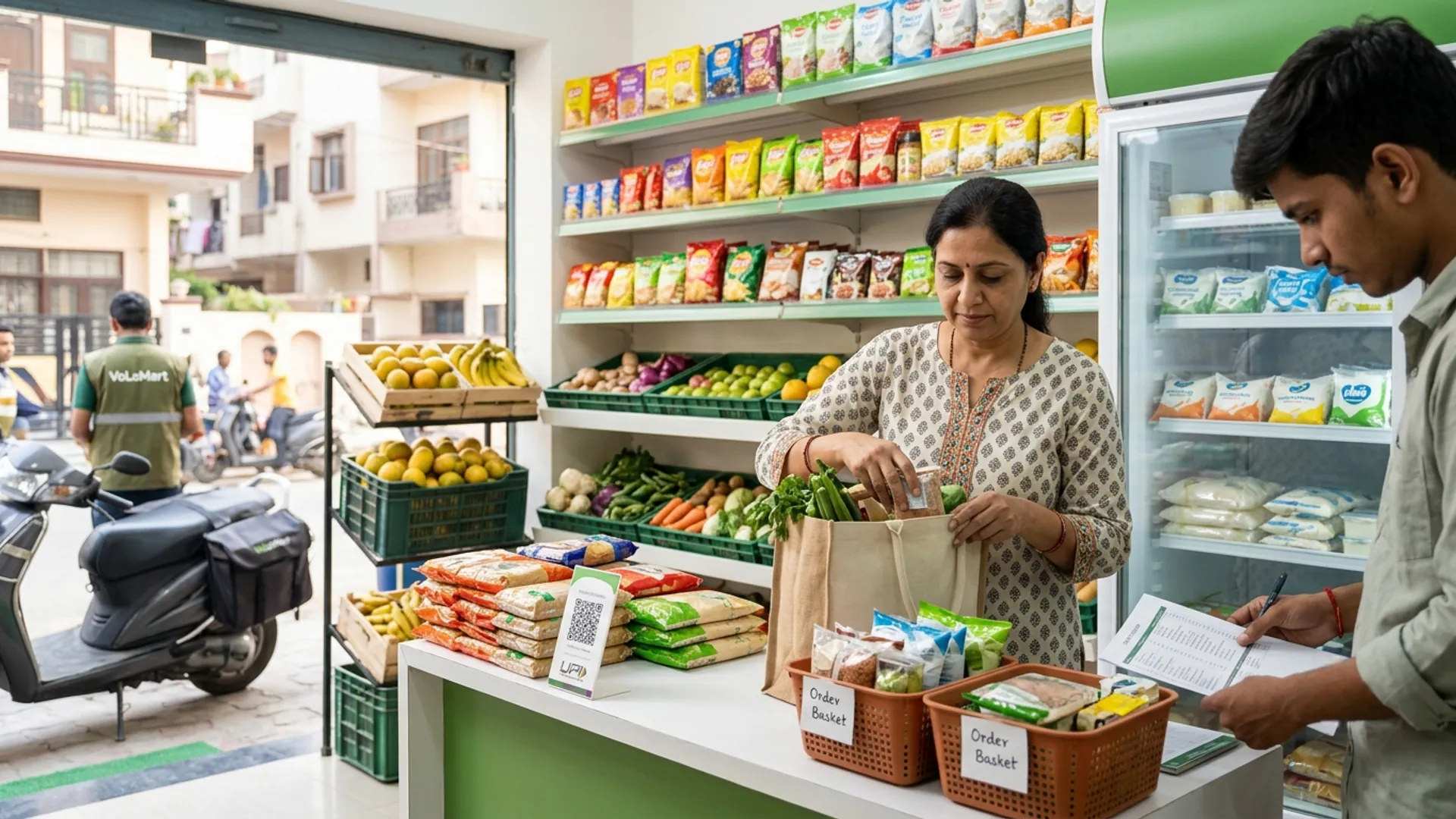
- Local stores win on fresh stock, personal relationships, and community trust.
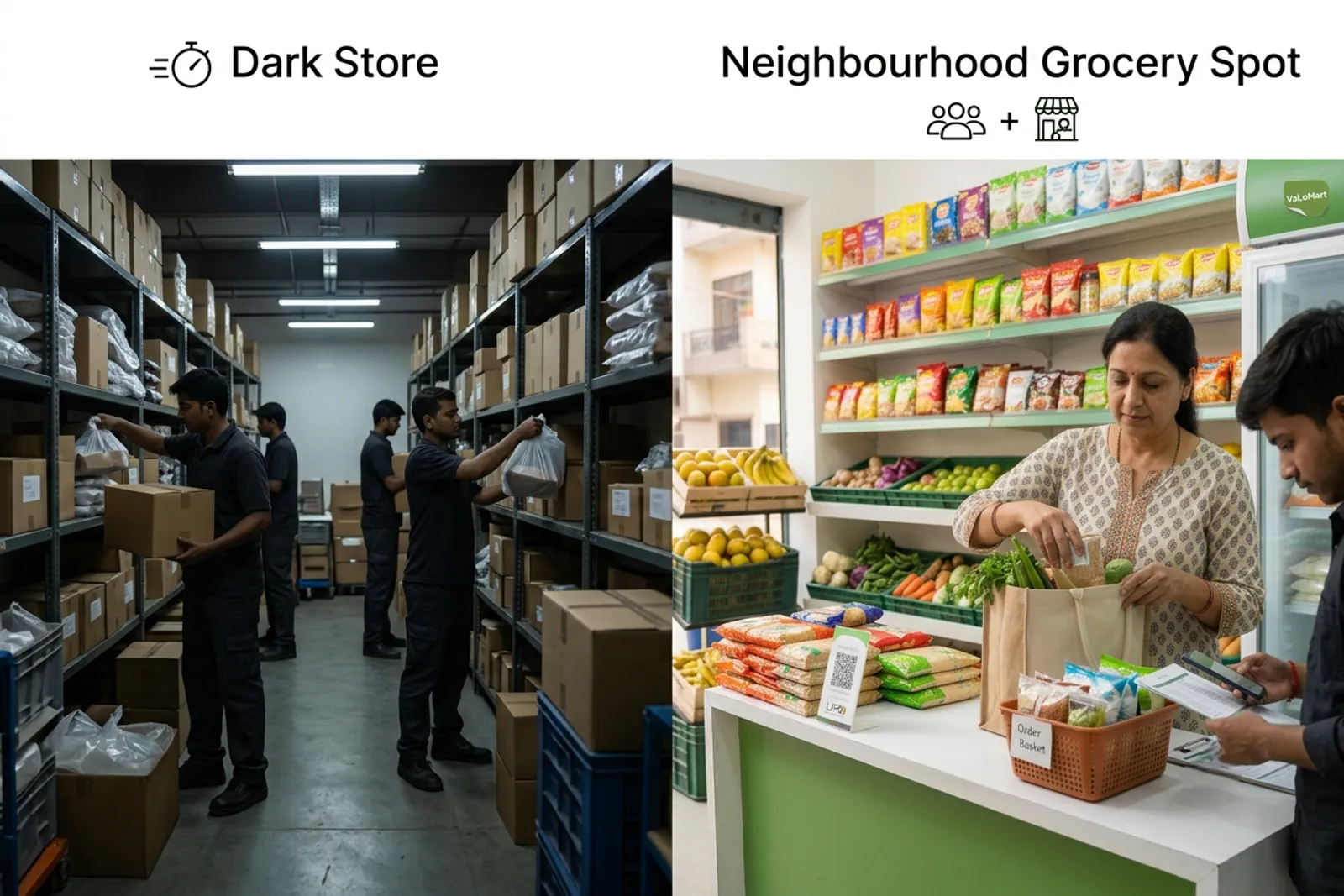
- Quick-commerce relies on distant dark stores, whereas neighbourhood shops fulfil orders directly from the counter.
- Digitising your product catalogue on a hyperlocal marketplace helps nearby customers find you easily.
Local shops compete by digitising neighbourhood strengths, fresh stock, personal trust, pickup, short-radius delivery, and online visibility, not by copying dark-store minute promises.
Many neighbourhood shopkeepers look at dark-store delivery riders speeding through their streets and wonder how to protect their business. Large venture-backed platforms have changed how city residents order daily essentials, but local businesses still hold unmatched neighbourhood trust. This guide is written for kirana, vegetable, dairy, and specialty shop owners who want to understand how to hold their ground and grow online.
How do neighbourhood stores differ from quick-commerce dark stores?
The fundamental difference lies in the supply chain and community connection. Quick-commerce platforms centralise inventory in windowless warehouses located miles away, packing items through automated pickers. In contrast, local shops are woven directly into the fabric of the neighbourhood. According to the Ministry of Micro, Small and Medium Enterprises, small retail businesses form the backbone of the domestic economy by providing personalised service, flexible credit, and immediate access to community needs.
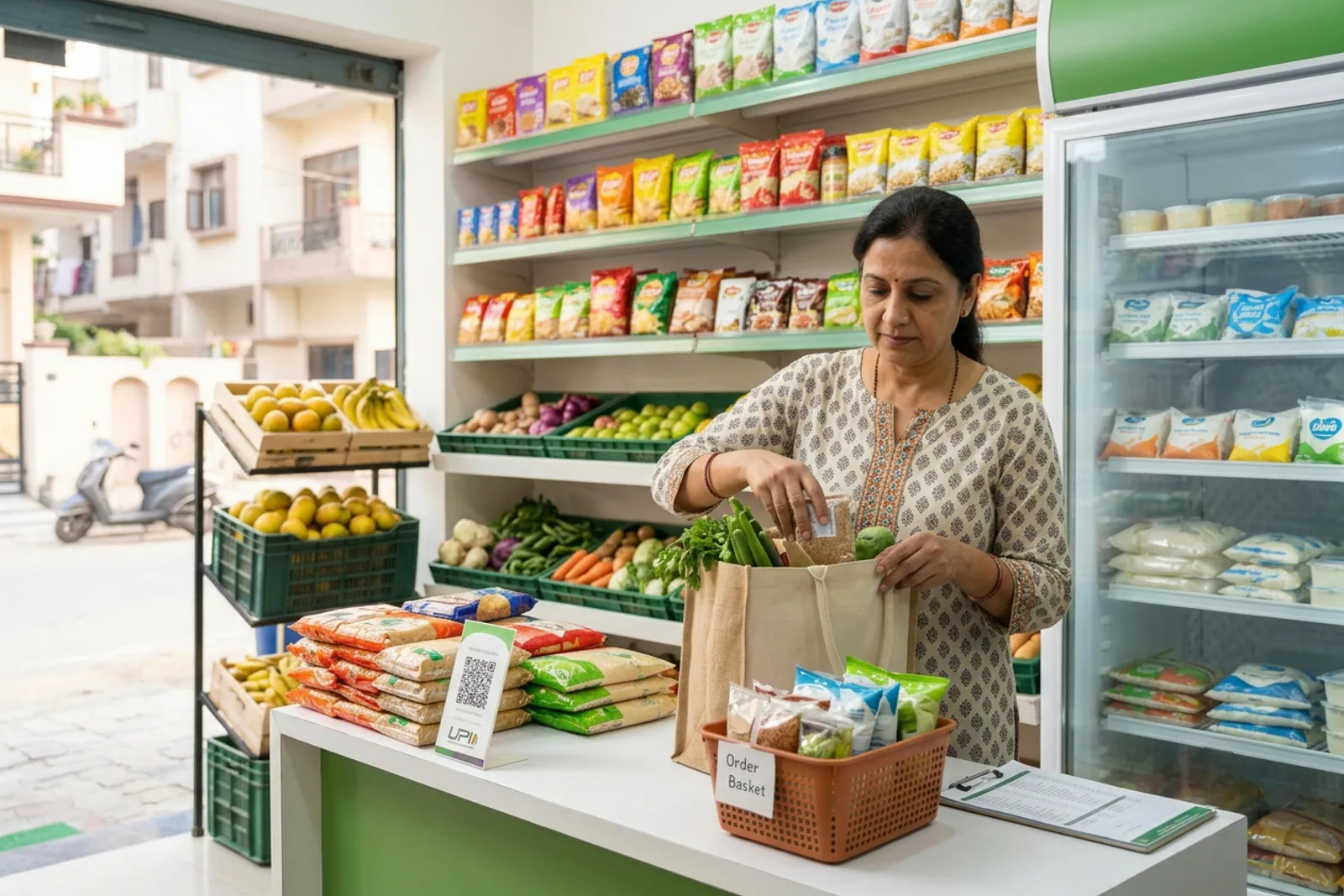
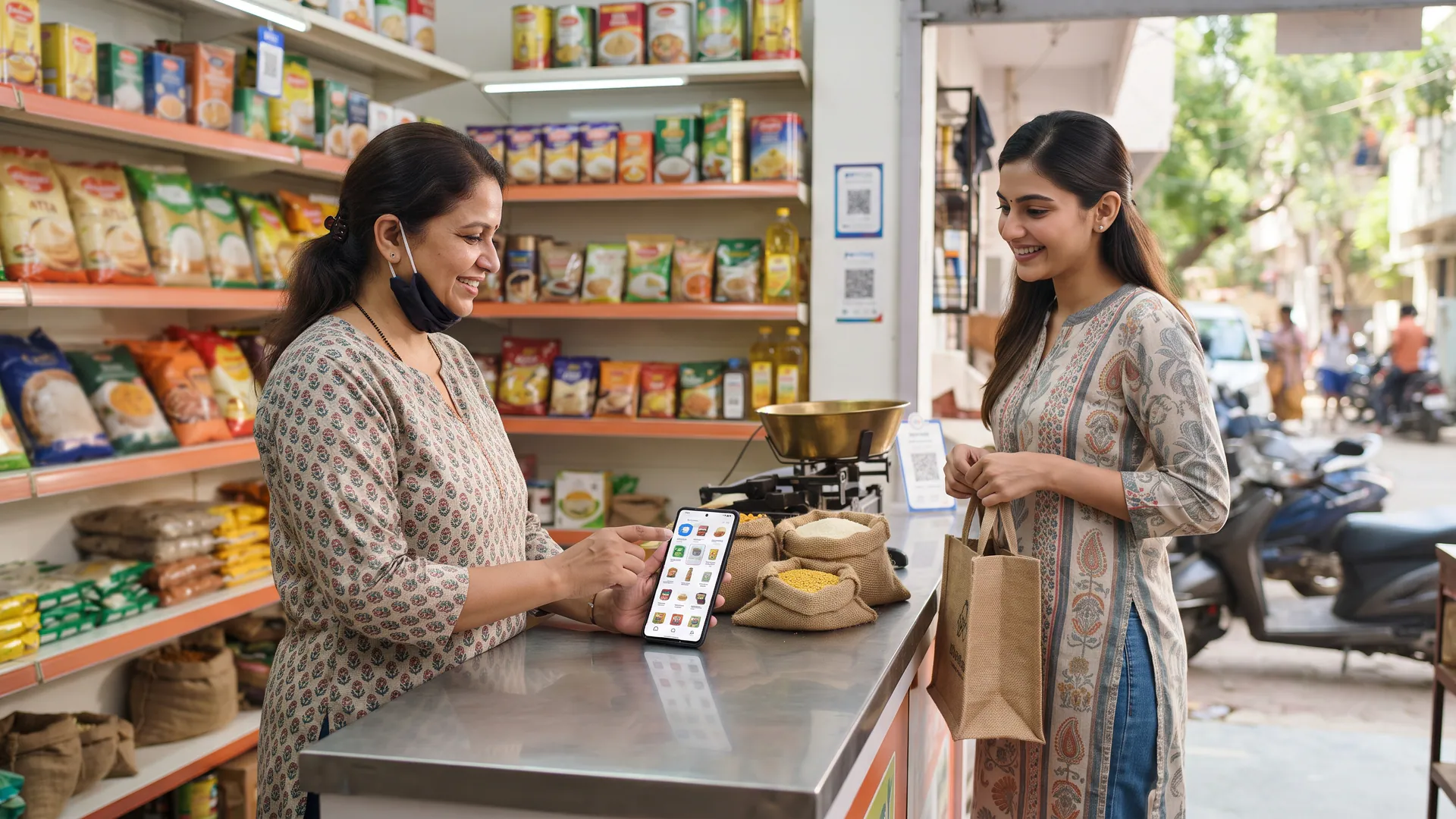
When customers buy from nearby shops, they inspect produce with their own eyes, chat with the shopkeeper about quality, and receive items tailored to local tastes. Dark stores cannot replicate this human warmth or the ability to inspect fresh stock before packing.
What practical strategies can local shops use to strengthen their digital presence?
Competing effectively does not require matching corporate logistics budgets. Instead, vendors can adopt practical digital habits that bring neighbourhood shoppers to their digital storefronts:
- Digitise your product catalogue: Keep your active item list updated so nearby customers know exactly what is in stock today.
- Highlight fresh arrivals: Showcase seasonal vegetables, daily dairy, and fresh bakery items as soon as they arrive at your counter.
- Offer flexible fulfilment: Provide both convenient counter pickup and vendor-managed delivery within your immediate neighbourhood radius.
- Maintain personal relationships: Use chat and digital order boards to resolve customer queries personally instead of relying on automated helpdesks.
How does VoLoMart help local shops without turning them into warehouses?
Platforms like VoLoMart are designed specifically to bridge the gap between neighbourhood shops and nearby customers. Rather than forcing you to rent a distant warehouse, VoLoMart allows you to run your shop directly from your smartphone. You retain complete control over your pricing, stock availability, and the shop's own service area.
Because the platform operates on a clear subscription model after a trial period rather than taking a percentage of your sales, the shop keeps the order value. To explore how different store categories can get started, check out our guide on taking your local grocery shop online in minutes or review the simple pricing structure.
How do quick-commerce models compare with neighbourhood marketplaces?
| Topic | Quick-commerce dark store | Neighbourhood shop on VoLoMart |
|---|---|---|
| Inventory source | Distant windowless warehouse | Your existing local shop counter |
| Customer connection | Faceless automated packing | Personal trust and familiar faces |
| Order management | Centralised algorithms | Vendor-controlled app workflow |
| Revenue model | High commissions and deep discounting | Subscription after trial, no order commission |
What are the honest operational limits to keep in mind?
Running a neighbourhood digital storefront comes with real-world operating boundaries. Fulfilment depends entirely on your shop staff or your chosen delivery setup. Delivery hours, fees, and coverage zones vary from shop to shop based on what you choose to configure in the app. Each order is placed with one nearby shop, meaning you manage your own daily preparation and customer pickup windows.
By understanding these operational realities, you can set clear expectations with your neighbourhood buyers and build a steady, sustainable online channel alongside your walk-in trade.
Ready to bring your neighbourhood store online?
Taking your business digital does not mean losing your local identity. Register your shop in the app today, list your product catalogue, and start reaching nearby customers who prefer authentic local service. Visit our vendor information page to see how easy it is to get started.
Frequently asked questions
Can my kirana store compete with quick-commerce apps?
Yes, by listing your live inventory online, offering personal trust, and providing convenient pickup or vendor-managed local delivery for nearby customers.
Do I need to promise 10-minute delivery to compete?
No, customers who shop locally often prefer genuine freshness, warm relationships, and reliable pickup over rushed, warehouse-driven delivery promises.
How does VoLoMart help local shops go online?
VoLoMart connects neighbourhood shops with nearby buyers through a structured digital storefront where vendors manage their own catalogue and orders.
Does VoLoMart charge a commission on orders?
No, VoLoMart operates on a simple subscription model after the trial period, ensuring the shop keeps the entire order value.
List your neighbourhood shop on VoLoMart
Sign up with the VoLoMart app. Start with a 7-day trial, then choose a monthly or yearly plan.
Get the app to registerRelated articles
6 min read