Published November 4, 2026 in Hyperlocal Commerce
UPI or cash on delivery: which payment option suits local shops

By Khevna Dodia
5 min read
TL;DR
- Balance digital convenience with traditional payment preferences in your neighbourhood.
- Understand how cash on delivery vs upi for small shop workflows impact daily reconciliation.
- Explore how digital infrastructure like NPCI rails and Pay on Khata support local commerce.
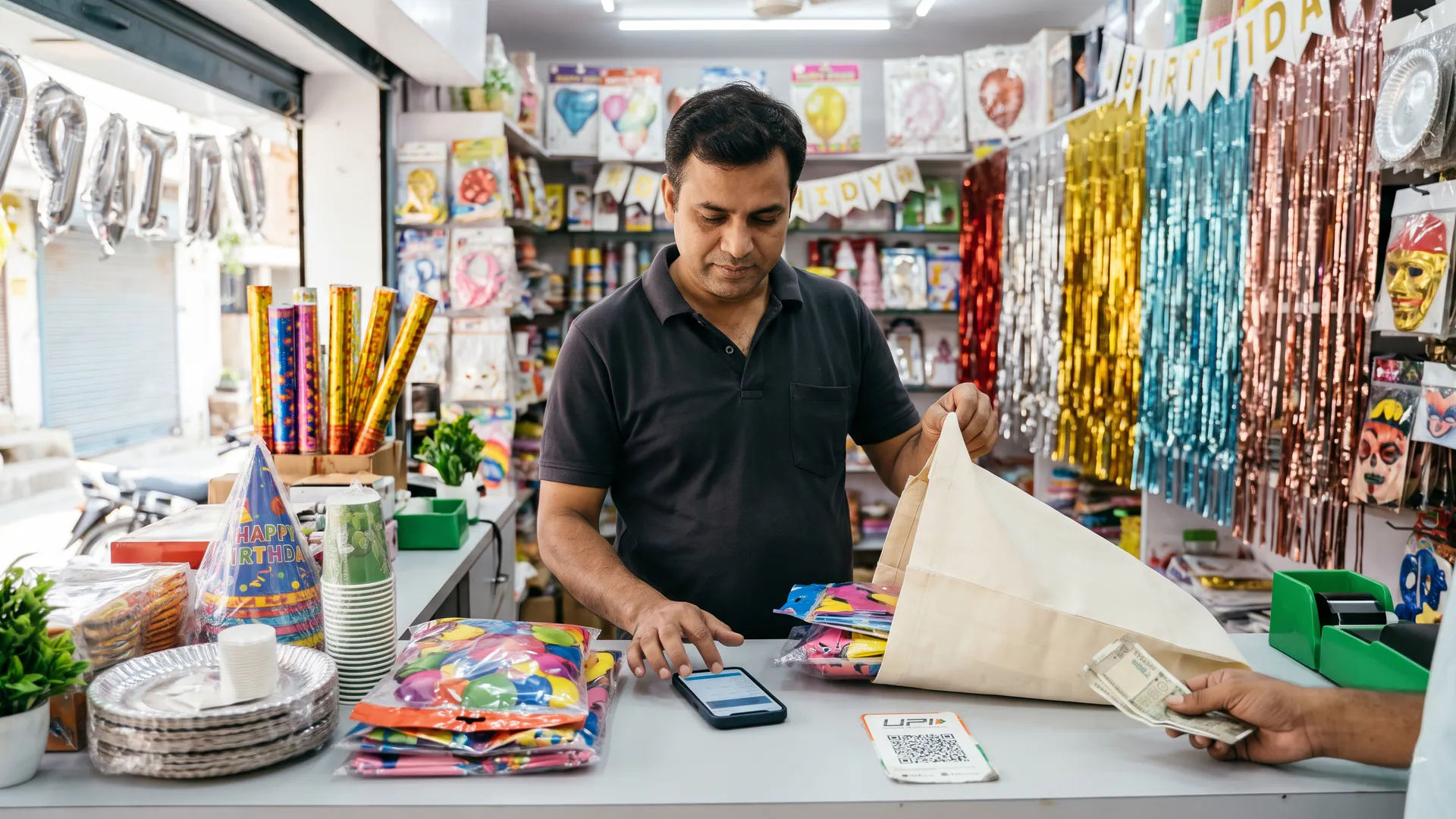
Evaluating cash on delivery vs upi for small shop owners depends on customer preference, neighbourhood demographics, and how quickly you reconcile daily collections. While digital transfers offer instant confirmation, physical currency remains essential for walk-in shoppers and elderly residents who prefer paying on delivery.
Managing transactions effectively is one of the most important operational choices for any independent retailer. When assessing cash on delivery vs upi for small shop owners, the decision usually comes down to balancing customer convenience with straightforward daily bookkeeping. This guide explores how neighbourhood store owners navigate these payment methods without complicating their daily workflow.
Why is payment flexibility crucial for a neighbourhood shop?
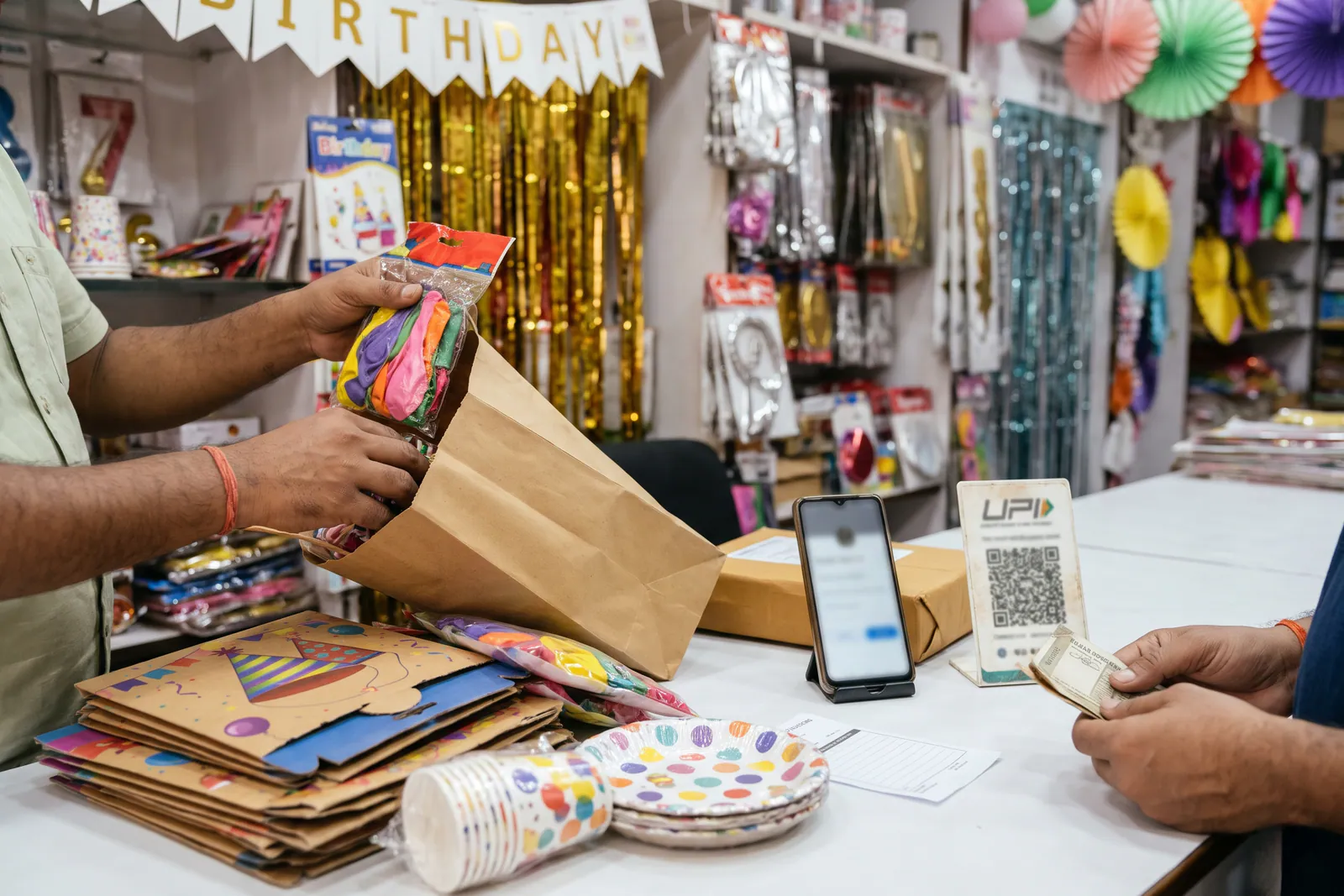
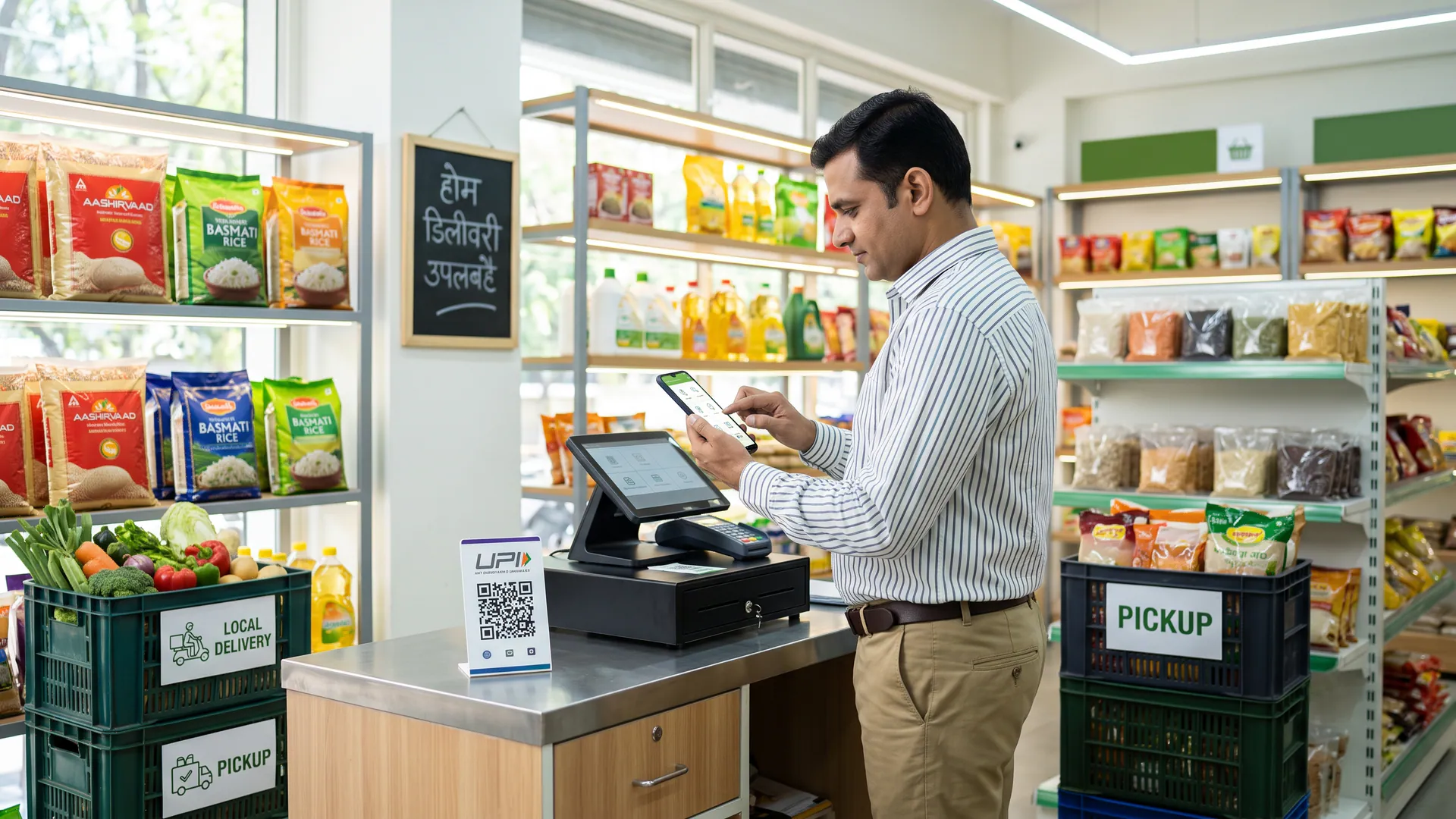
A successful retail business serves diverse customer habits right inside the neighbourhood. Some regular buyers prefer the tactile security of physical currency, while younger families living nearby rely exclusively on smartphone-based transfers through the National Payments Corporation of India network. Accepting multiple methods prevents lost sales and keeps your checkout moving smoothly.
- Meeting customer expectations by supporting traditional and digital payment habits.
- Reducing friction at the billing counter during peak festival seasons.
- Maintaining transparent records for every completed sale across the neighbourhood.
How do cash and digital payments compare in daily retail?
Every payment mechanism has distinct operational traits that affect daily cash flow and reconciliation. Analysing these differences helps retailers choose the right blend for their shop catalogue and local clientele.
| Feature | Cash on Delivery | Digital Transfers |
|---|---|---|
| Customer Trust | High among traditional shoppers | Preferred by digitally active buyers |
| Change Management | Requires daily coin and note sorting | Automated exact amount transfers |
| Reconciliation | Manual physical count at day end | Digital ledger and notification check |
What are the practical trade-offs of cash on delivery vs upi for small shop owners?
Relying solely on physical cash means spending extra time sorting currency notes and arranging exact change for morning milk and bread deliveries. On the other hand, relying entirely on digital scans can sometimes halt orders if a customer faces network connectivity issues in residential lanes. Finding a sustainable middle ground is key.
How can shopkeepers streamline their checkout process?
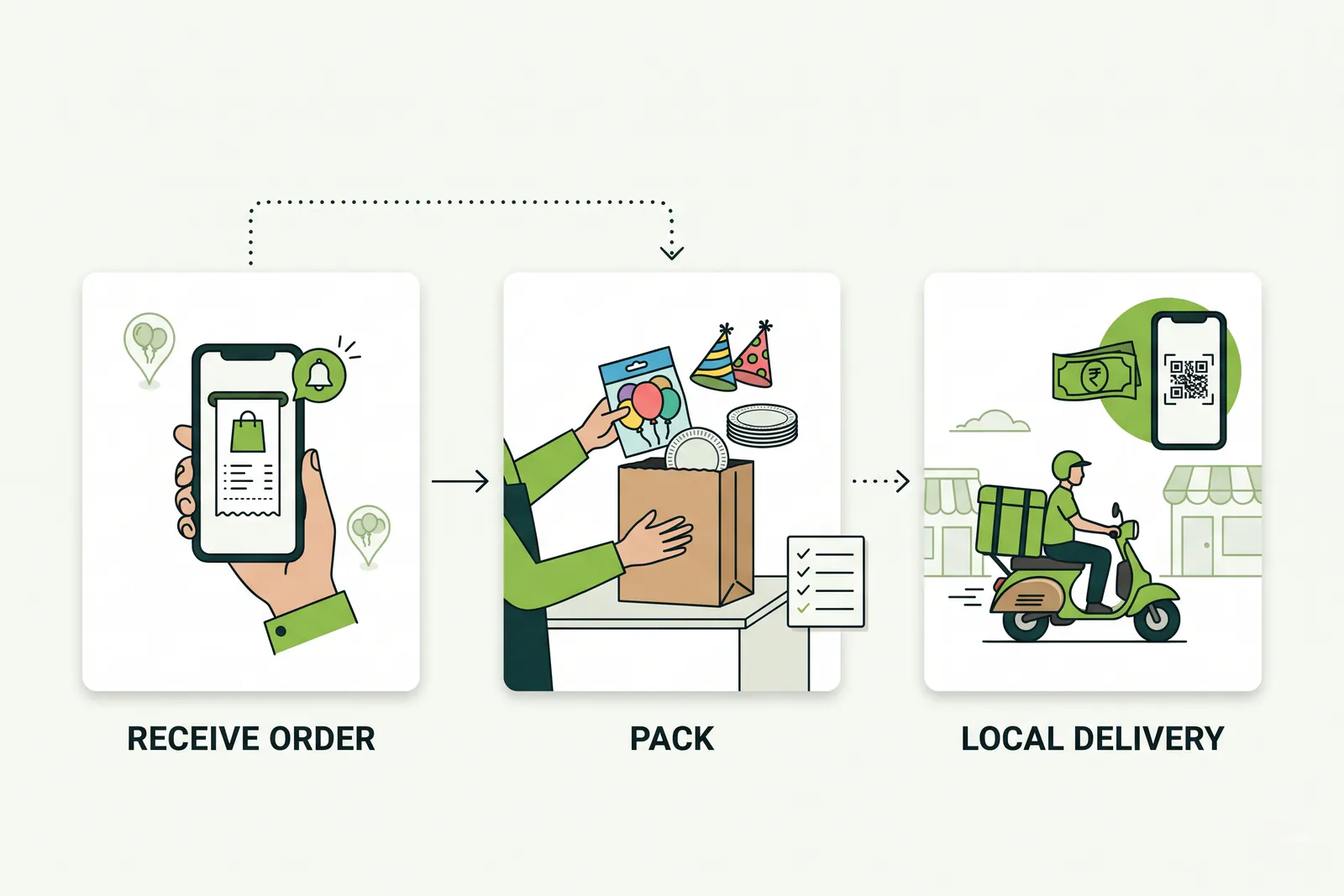
To keep operations efficient, store owners should clearly display accepted payment instructions on their digital profiles. When customers browse your products on VoLoMart, knowing whether you support cash on delivery or Pay on Khata helps them complete their checkout without confusion. Sellers can also review pricing details to understand subscription tools that help manage local orders.
Local commerce thrives when technology supports traditional relationships rather than replacing them entirely. By keeping your catalogue updated and offering flexible payment choices, your neighbourhood shop builds lasting loyalty with every household you serve.
Frequently asked questions
Why do many neighbourhood shops still prefer cash on delivery?
Cash on delivery remains popular because a significant segment of shoppers in residential areas prefers paying only after inspecting their daily essentials upon arrival.
How does digital payment adoption help a small shop owner?
Digital payment methods reduce the physical handling of loose currency, minimise change-related disputes, and speed up checkout queues during peak morning hours.
Can small shops use both cash and digital payment options?
Yes, offering multiple payment methods ensures you never turn away a customer due to rigid payment preferences at checkout.
What should shopkeepers check when setting up digital transactions?
Shopkeepers should verify settlement notifications, maintain clear records of daily collections, and reconcile their accounts regularly to avoid discrepancies.
List your neighbourhood shop on VoLoMart
Sign up with the VoLoMart app. Start with a 7-day trial, then choose a monthly or yearly plan.
Get the app to registerRelated articles
5 min read