Published October 23, 2026 in How To
How to store fruits and vegetables in Indian weather

By Khevna Dodia
6 min read
TL;DR
- Keep fruit and vegetable crates in cool shade away from direct sun and heavy foot traffic.
- Raise sacks and crates off damp floors during the monsoon to protect produce from moisture.
- Separate ripening fruit like bananas and mangoes from leafy greens and firm roots.
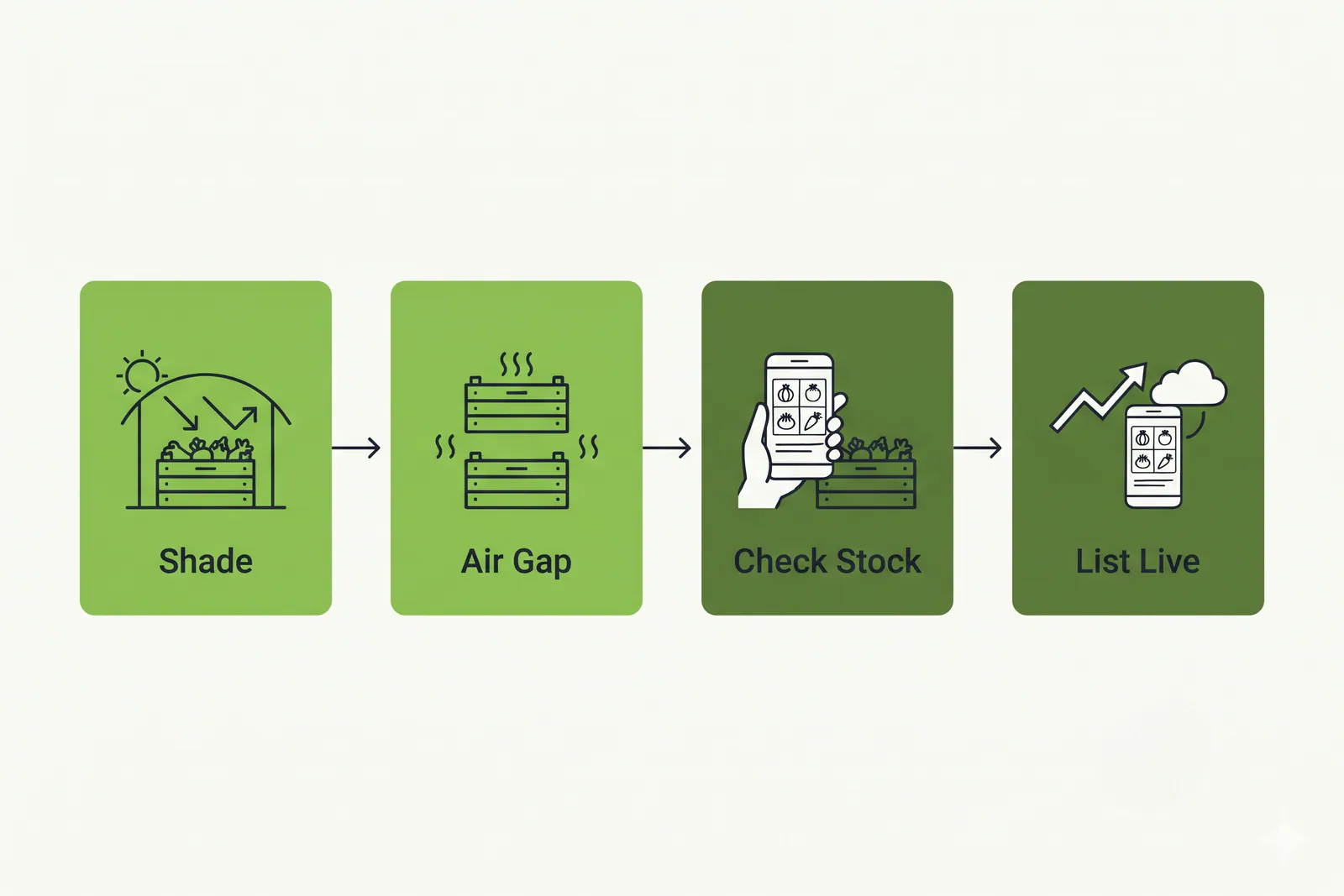
- Update your live catalogue on VoLoMart quickly when a line wilts so nearby customers see exact availability.
Store fruits and vegetables in Indian weather by keeping crates shaded, lifting sacks off the wet floor, maintaining airflow around produce, and separating ripening fruit from firm vegetables.
How do you protect fresh stock from summer heat?
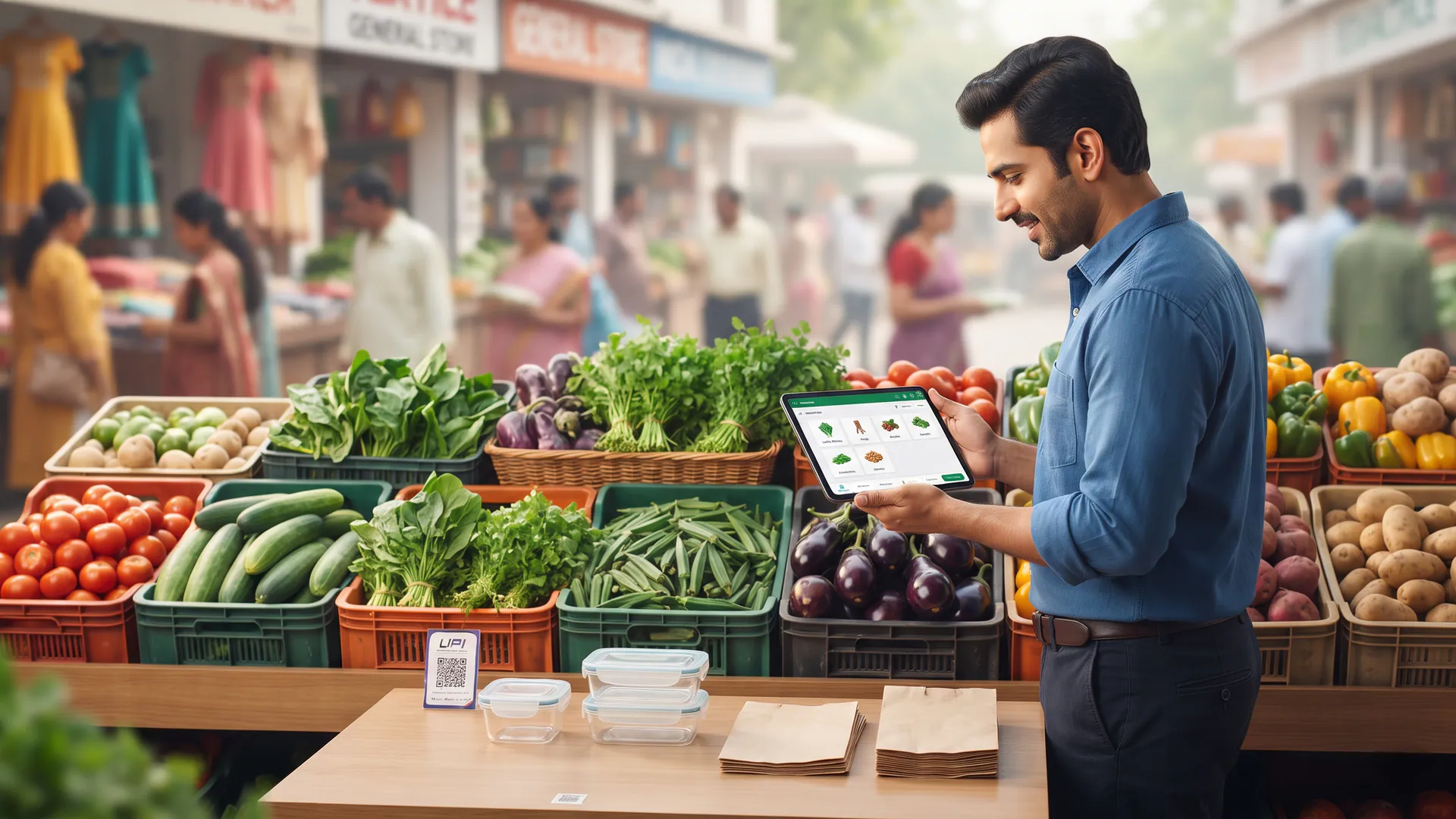
Managing fruits and vegetables through intense summer months requires strict attention to shade and airflow. Direct sunlight quickly saps moisture from tender produce, turning crisp greens limp within hours. Vegetable Corner and Fruit garden owners must position every crate away from storefront glass and open doorways where dry hot winds blow directly inward.
When local shops take their inventory online through platforms like VoLoMart, maintaining physical quality becomes even more critical for customer trust. If a buyer places an order through nearby discovery, the delivered items must match the digital catalogue promise. Here are the core rules for beating the heat:
- Shade placement: Keep every crate sheltered under structural awnings or deep inside the shop interior away from direct sunbeams.
- Air circulation: Leave gaps between stacked crates so natural breeze or ceiling fans can circulate air around the produce.
- Moisture control: Avoid soaking entire piles of greens in stagnant water during hot afternoons, as trapped heat turns moisture into steam and rots leaves.
What changes for produce storage during the monsoon?
Monsoon rains bring high humidity that creates an entirely different set of challenges for local shopkeepers. Excess moisture in the air encourages fungal growth and rapid spoilage across sacks of roots and delicate herbs. According to food safety guidelines provided by the FSSAI, keeping storage areas dry and hygienic prevents contamination and preserves nutritional value.
Never leave open sacks directly on a damp concrete floor when rain beats against the shop entrance. Elevate all gunny bags on wooden pallets or plastic platforms. If rainwater splashes into the display area, dry the surface immediately before resting fresh baskets back down.
Why must you separate ripening fruit from firm vegetables?
Storing different varieties together without a plan is one of the fastest ways to lose stock to premature decay. Fruits such as bananas, papayas, and mangoes release natural ethylene gas as they ripen. When this gas drifts over leafy greens and firm roots from the Vegetable Corner, it speeds up yellowing and softening.
Horticulture guidelines from AgriWelfare emphasize sorting produce by respiration rate and ethylene sensitivity. Keep your Fruit garden stock on high shelves near the counter while root vegetables and gourds rest closer to the floor in ventilated mesh bags.
| Weather Condition | Where the Crate Sits | What to Separate |
|---|---|---|
| Summer Heat | Deep shade away from direct sunbeams and hot doorway drafts | Leafy greens away from warm storage walls and heavy fruit |
| Monsoon Rain | Elevated on pallets well above damp floors and splashing puddles | Wet produce away from dry sacks of onions and potatoes |
| High Humidity | In areas with active cross-ventilation and ceiling fans moving air | Ripening mangoes and bananas away from firm vegetables |
What are the honest operational limits of ambient storage?
While smart shading and careful sorting slow down spoilage, ambient storage cannot stop natural decay entirely. A neighbourhood shop still relies on steady daily sales to move perishable inventory before it wilts. Storage tips complement good buying habits rather than replacing them; purchasing smaller, frequent batches works better than stocking bulk quantities that sit through humid nights.
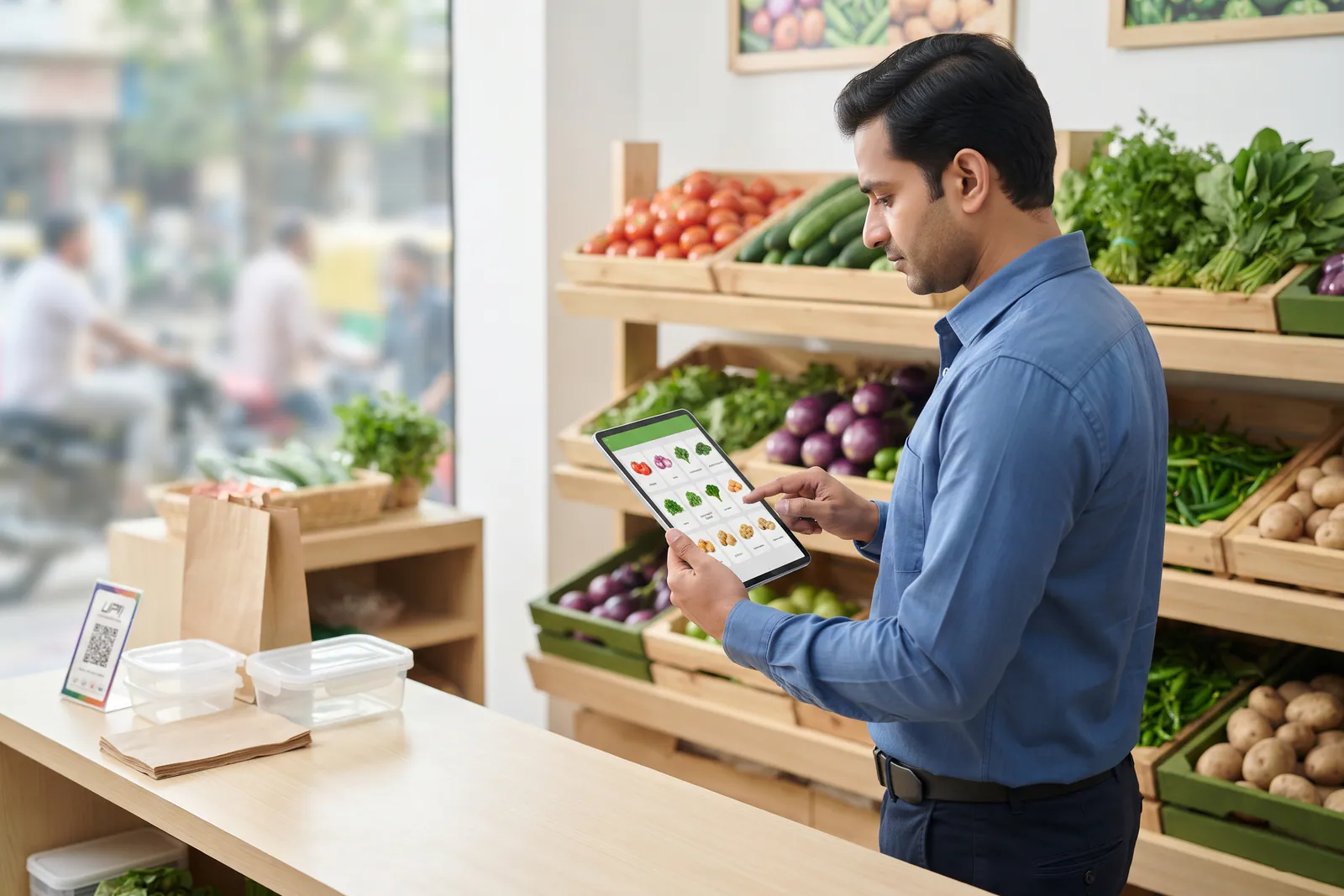
When weather turns severe and a specific line softens faster than expected, shop owners can use the VoLoMart app to instantly update their stock availability. By managing orders transparently through structured digital catalogues instead of messy chat threads, vendors keep neighbourhood customers informed about what is fresh and ready for pickup or vendor-managed delivery.
How can you keep your neighbourhood shop running smoothly online?
Taking your daily produce business online helps nearby residents discover your store the moment they need fresh ingredients. You can learn more about building your digital presence by exploring our guides on how to create a digital catalogue for a fruit and vegetable shop and understanding what a vegetable vendor should show in an online store.
Register your shop through the app to start your trial, check our pricing details for subscription options after the trial period ends, and review vendor tools on our for-vendors page. Keep your shelves organised, your catalogue updated, and your neighbourhood supplied with fresh quality every single day.
Also read How to prepare fruit and vegetable orders without mixing up items, Can a fruit and vegetable shop sell online from the same store?, and Fresh produce business online: What vegetable and fruit vendors need to know?.
Frequently asked questions
Do I need an expensive cold room to manage produce in summer?
No, a cold room is not mandatory for every neighbourhood shop. Careful crate placement in deep shade, using natural airflow, and managing daily stock levels help keep produce fresh through standard summer heat.
Should leafy greens be washed before storage in humid conditions?
Leafy greens should generally remain unwashed until sale if humidity is high, because trapped moisture accelerates rotting. Clean them only when requested or right before display.
Can ripening fruit sit right next to green vegetables?
Ripening fruit releases ethylene gas, which causes nearby vegetables and greens to age and wilt faster. Always keep fruits like bananas and mangoes in a separate corner from your Vegetable Corner stock.
What changes for produce storage during the monsoon?
Monsoon storage requires raising all bags and wooden crates completely off damp floors. Good cross-ventilation prevents stagnant moisture from spoiling bags of potatoes, onions, and delicate greens.
Should a wilted line stay on sale during a hot afternoon?
If a line wilts or overripens under heavy heat, mark it unavailable immediately on your digital catalogue so nearby customers browse only fresh produce.
List your neighbourhood shop on VoLoMart
Sign up with the VoLoMart app. Start with a 7-day trial, then choose a monthly or yearly plan.
Get the app to registerRelated articles
6 min read